
GOOD ARCHITECTURE / 좋은 건축
ㅤ
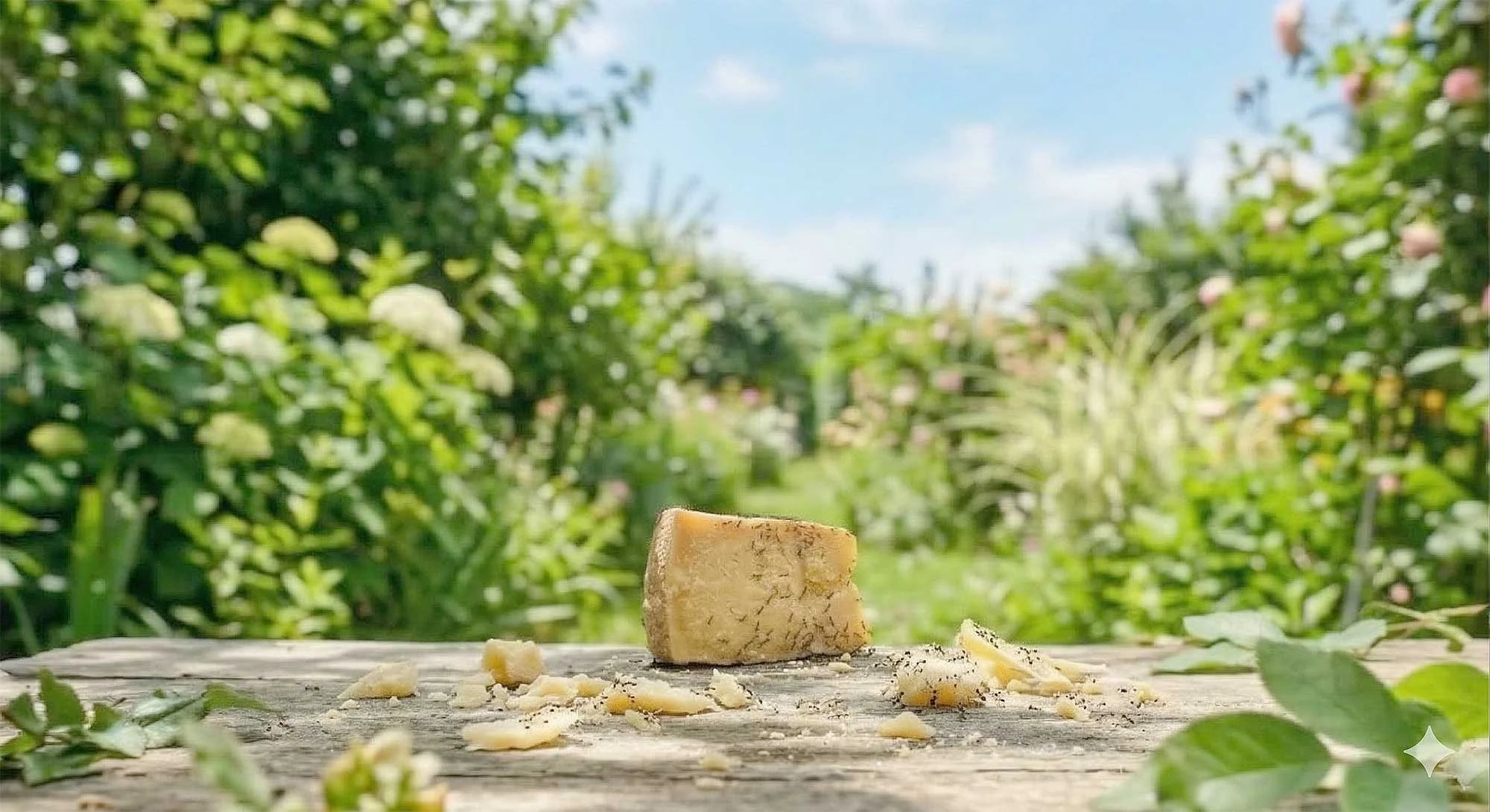
What might we mean by a good space? And if such a thing exists, can it endure the slow passage of time? The act of seeking and defining good space should not be the sole preserve of architects; it ought to remain open to everyone. The orderly pattern of objects arranged in a shop window, the ebb and flow of cars filling and emptying a road, the lights that begin to flicker on one by one in the early evening lanes of a residential neighbourhood, the street vendors’ carts carefully positioned so as not to obstruct the passage of pedestrians—these, too, are acts of skilful spatial organisation and use. The scenes produced by such gestures are modest and honest, revealing the rhythm of life without exaggeration or ornament. A discarded fragment of cheese may appear trivial, yet for an ant it becomes both a valuable resource and an effective medium. Drawn by the scent, ants gather around it, and the small piece of cheese is transformed into a lively street, a square, even a market. Good architecture ought to function in much the same way as well-matured cheese. It should be capable of asserting its presence even within isolated or degraded surroundings, breathing new vitality and movement into the spaces around it. In this sense, my modest studio may also be called a good space. White-toned walls and furniture, idiosyncratically designed table lamps, and objects of strong contrast that punctuate the room. It is not a flamboyant interior filled with fanciful artefacts, yet it lacks nothing essential. The space is neither excessively cold nor warm, and it breathes well with steady ventilation. Even as the seasons change, sunlight filters gently into its corners. Partitions and bookshelves placed with quiet precision naturally soften the sounds that drift in from outside. Good architecture must organise space in such a way that these small physical conditions can quietly fulfil their roles within everyday life.
Good architecture should be distinguished from architecture that is merely spectacular. It ought to arise not from passing fashions or speculative formal experiments without foundation, but from the ordinary conditions of daily life. Architecture driven by an architect’s vanity or by fleeting trends often remains the possession of a few. It resembles not a piece of cheese to be shared by all, but a luxury object fashioned to gratify private desire. Architects themselves must remain vigilant against this temptation. Good architecture is not a flamboyant design wrapped in the grand rhetoric of “creation.” Rather, it allows the subtle elements of daily life to permeate it. Light seeping through the narrow gap of a door, the long shadows of the evening sun, the faint aroma of cooking drifting from the kitchen, the gentle breeze entering through a window—such invisible physical elements, light, shade, sound, and air, must be able to settle quietly into the fabric of everyday life. The story of life never reveals itself all at once. It forms gradually upon the rhythm of time, layered through the accumulation of daily sensations. For this reason, the good architect must continually explore and test how the cheese he or she has made may mature as a vessel for life. One must refine the utility of architecture with care, deepen and expand its possibilities, and deliberately leave room for the latent potentials of new ways of living to seep into space. Good architecture is not a finished product concluded by a stylistic movement; it is a process that receives the life that ripens over time, allowing it to grow richer and more abundant.
ㅤ
ㅤ
좋은 공간이란 어떻게 정의될 수 있을까. 그러한 것이 존재한다면 영속할 수 있을까. 좋은 공간을 탐색하고 정의하는 행위는 건축가의 전유물이 아니다. 누구에게나 열려있어야 한다. 쇼윈도에 진열된 물건들의 규칙적인 패턴, 도로를 채웠다 비워내기를 반복하는 자동차의 흐름, 초저녁 주택가 골목길에 하나둘씩 켜지는 불빛들, 통행에 방해되지 않도록 세심하게 배치된 노점상의 수레들. 이 역시 공간을 능숙하게 조직하고 활용하는 행위다. 이러한 행위로 만들어지는 풍경은 소박하고 정직하며, 과장 없이 삶의 리듬을 진솔하게 드러낸다. 버려진 치즈 조각은 사소해 보일지 모르지만, 개미에게는 좋은 자원이자 좋은 매체가 된다. 치즈 향에 이끌려 개미들이 모여들고, 작은 치즈 조각은 활기 넘치는 거리, 광장이자 시장으로 변모한다. 좋은 건축은 잘 숙성된 치즈와 같이 기능해야한다. 좋은 건축은 고립되고 오염된 장소에서도 스스로의 존재감을 드러내며 주변에 새로운 활력과 움직임을 불어넣을 수 있어야 한다. 아늑한 나의 작업실은 그런 의미에서 좋은 공간이라 할 수 있다. 화이트 톤의 벽과 가구, 개성있게 디자인 된 테이블 램프들, 대비를 이루는 높은 콘트라스트의 오브제들. 팬시한 장식품들로 가득 찬 화려한 공간은 아니지만 불편함은 없다. 공간은 지나치게 춥지도 덥지도 않고 환기도 잘된다. 계절이 바뀌어도 해가 구석구석 은은하게 스며든다. 적재적소에 배치된 파티션과 책장은 외부에서 들려오는 소리들을 자연스럽게 걸러준다. 좋은 건축은 사소한 물리적 조건들이 일상 속에서 제 역할을 다할 수 있도록 공간을 조직해 낼 수 있어야 한다.
좋은 건축은 겉보기에 화려한 건축과 구분되어야 한다. 좋은 건축은 최신 유행이나 근거 없는 사변적인 건축형식 실험이 아닌 일상의 평범한 조건에서 비롯되어야 한다. 건축가의 허영이나 일시적인 트렌드에 기반한 건축은 결국 소수의 전유물에 머무르기 쉽다. 그것은 모두가 함께 나눌 수 있는 치즈 한 조각이 아니라, 건축가의 사적인 욕망을 충족시키기 위해 만들어진 사치품에 가깝다. 건축가 스스로 이를 경계해야 한다. 좋은 건축은 창조라는 거창한 수사로 포장된 화려한 디자인이 아니다. 오히려 일상의 미묘한 요소들이 그 안에 스며들도록 해야 한다. 좁은 문틈으로 새어 들어오는 빛, 길게 드리운 노을의 그림자, 주방에서 은은하게 풍겨오는 요리 냄새, 창문으로 들어오는 부드러운 바람처럼 빛, 음영, 소리, 유체 등 보이지 않는 물리적 요소들이 잔잔하게 일상속에 스며들 수 있도록 기능해야 한다. 삶의 이야기는 한번에 드러나지 않는다. 그것은 일상의 감각들이 켜켜이 쌓이며 만들어내는 시간의 리듬 위에서 천천히 형성된다. 따라서 좋은 건축가는 자신이 만든 치즈가 삶을 담는 그릇으로서 어떻게 숙성될 수 있을지 끊임없이 탐구하고 실증해야 한다. 건축의 효용을 세심하게 다듬고 그 가능성을 더욱 깊게 확장하며, 새로운 일상의 잠재성이 공간으로 스며들 수 있는 여지를 의도적으로 남겨 두어야 한다. 좋은 건축은 사조에 의해 완결되는 결과물이 아니라, 시간이 흐르면서 무르익는 삶을 수용하고 풍성하게 해주는 과정물이다.