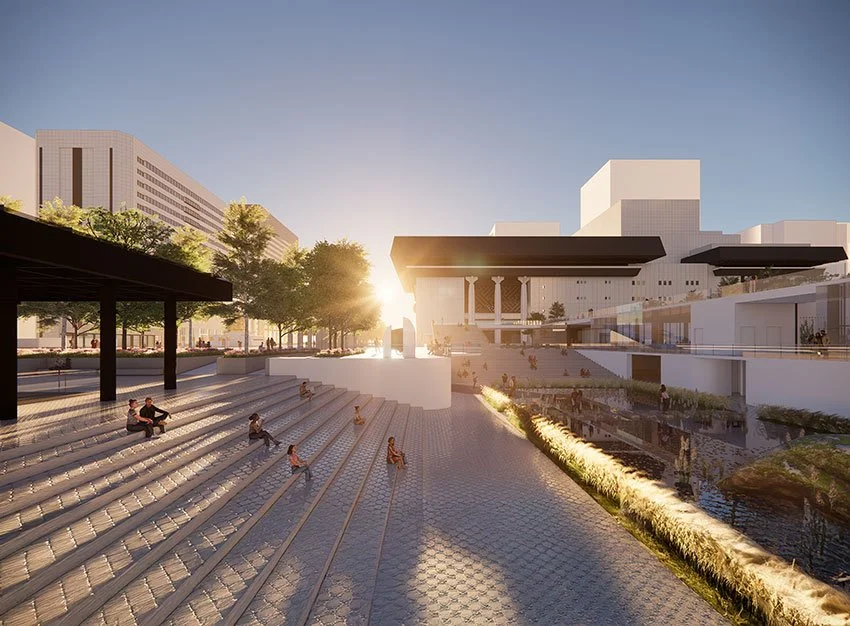
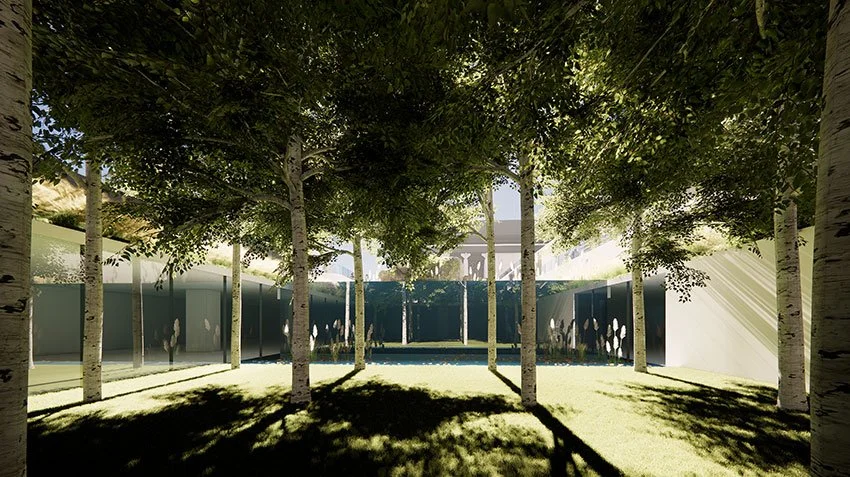
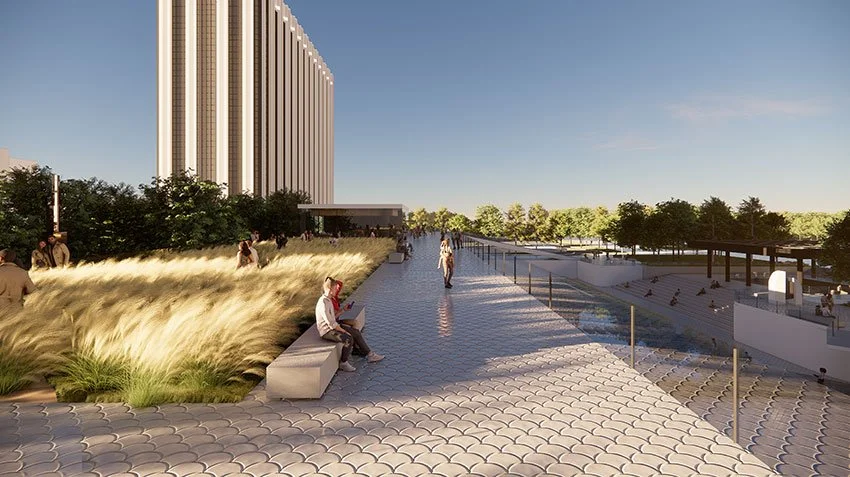
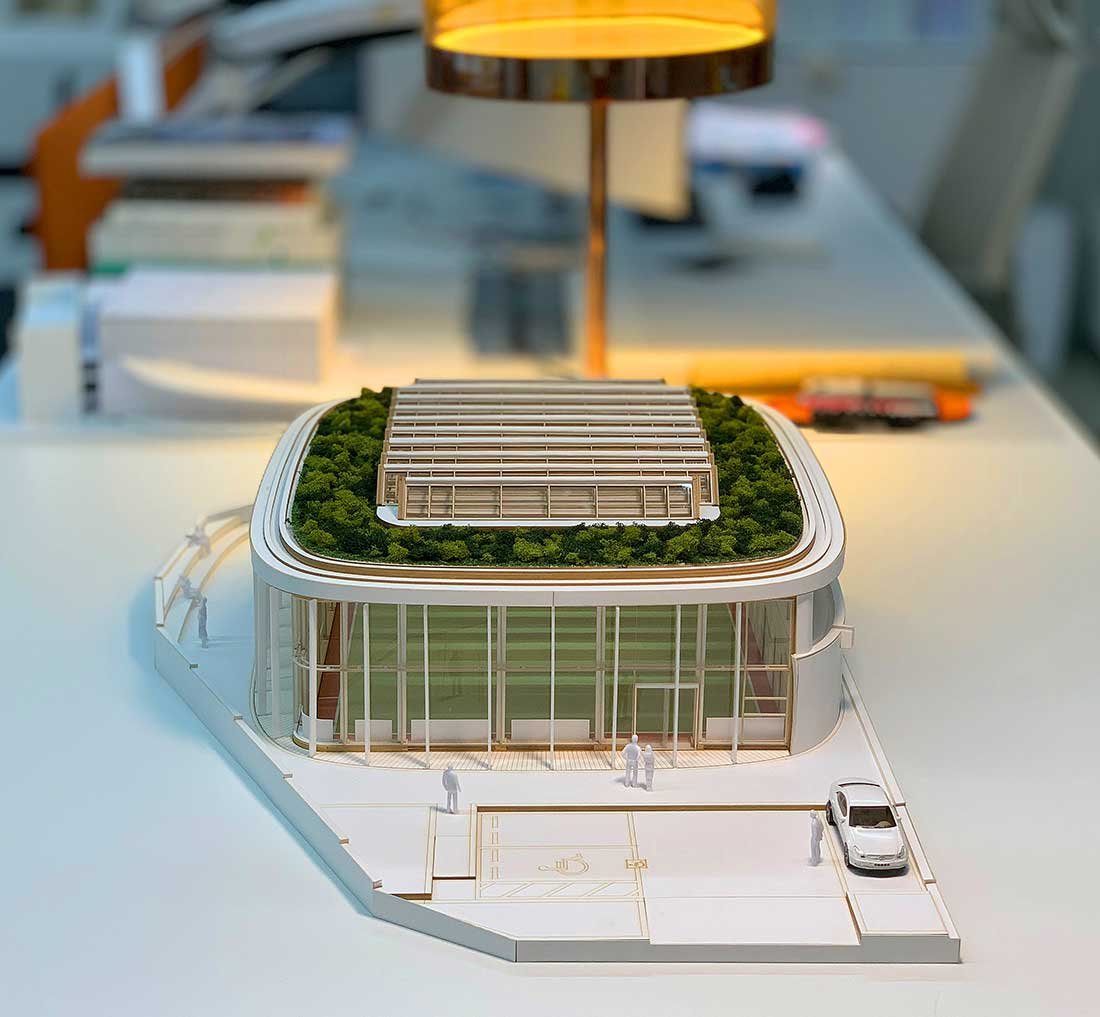
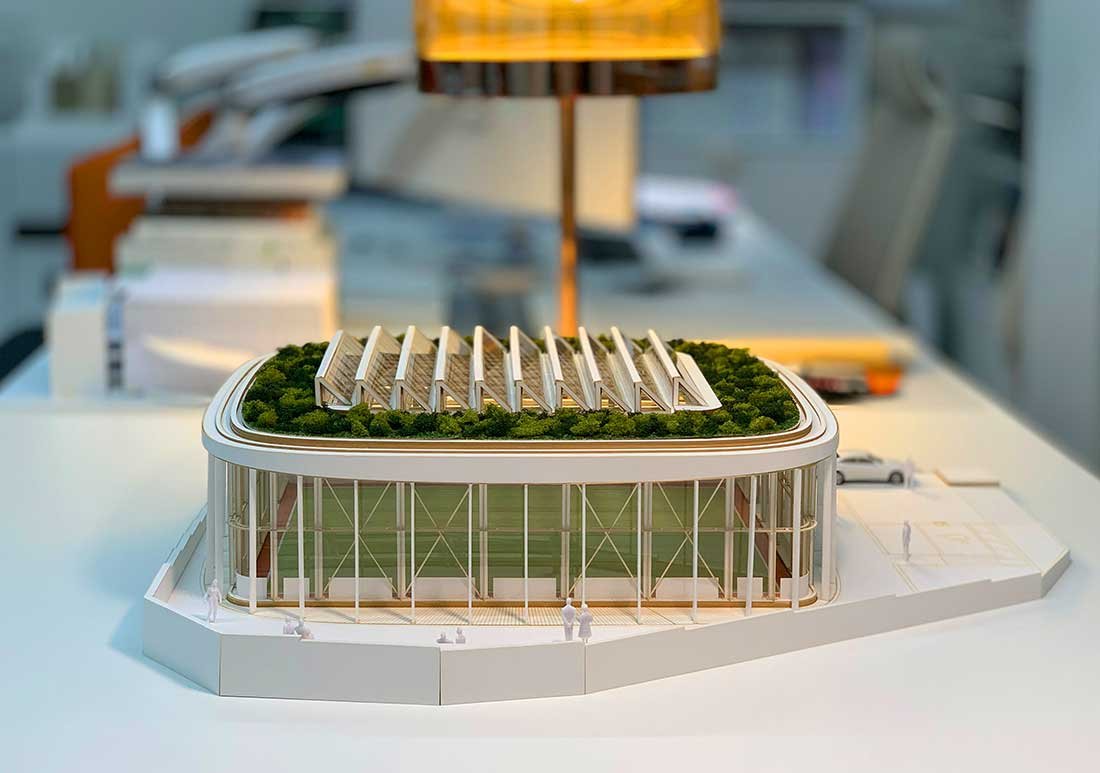
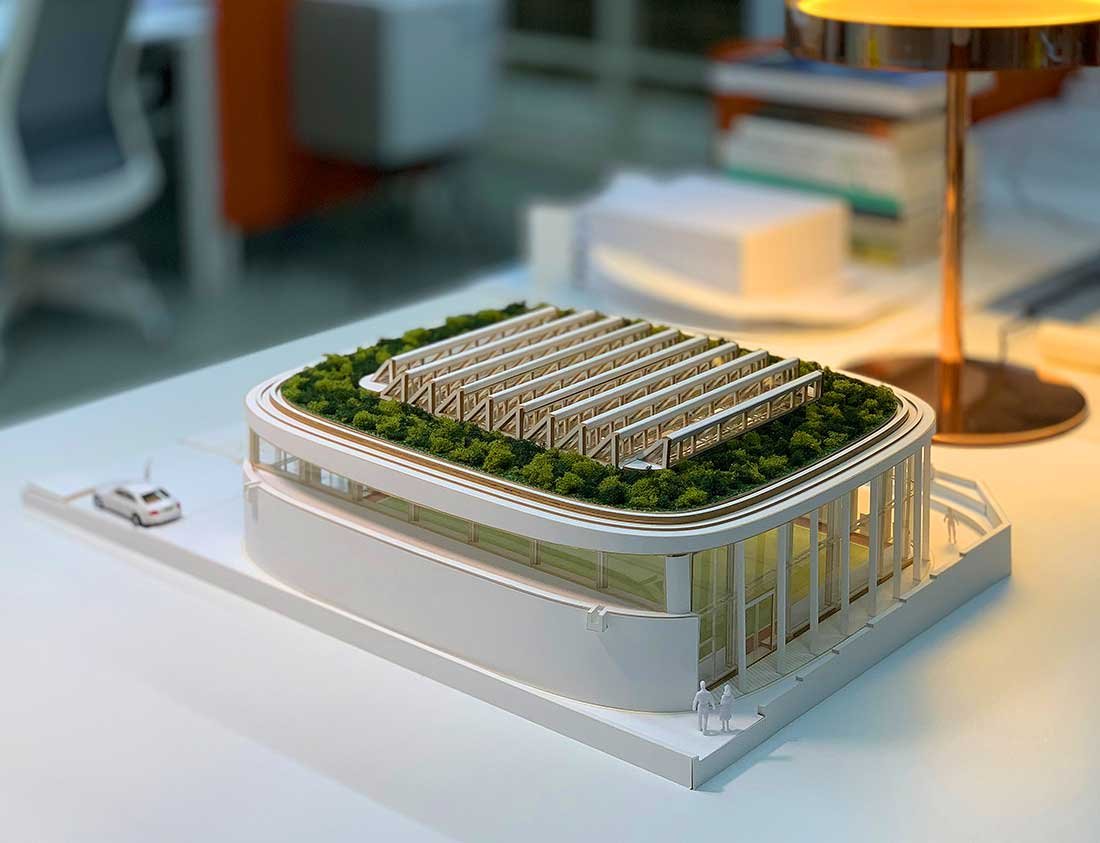
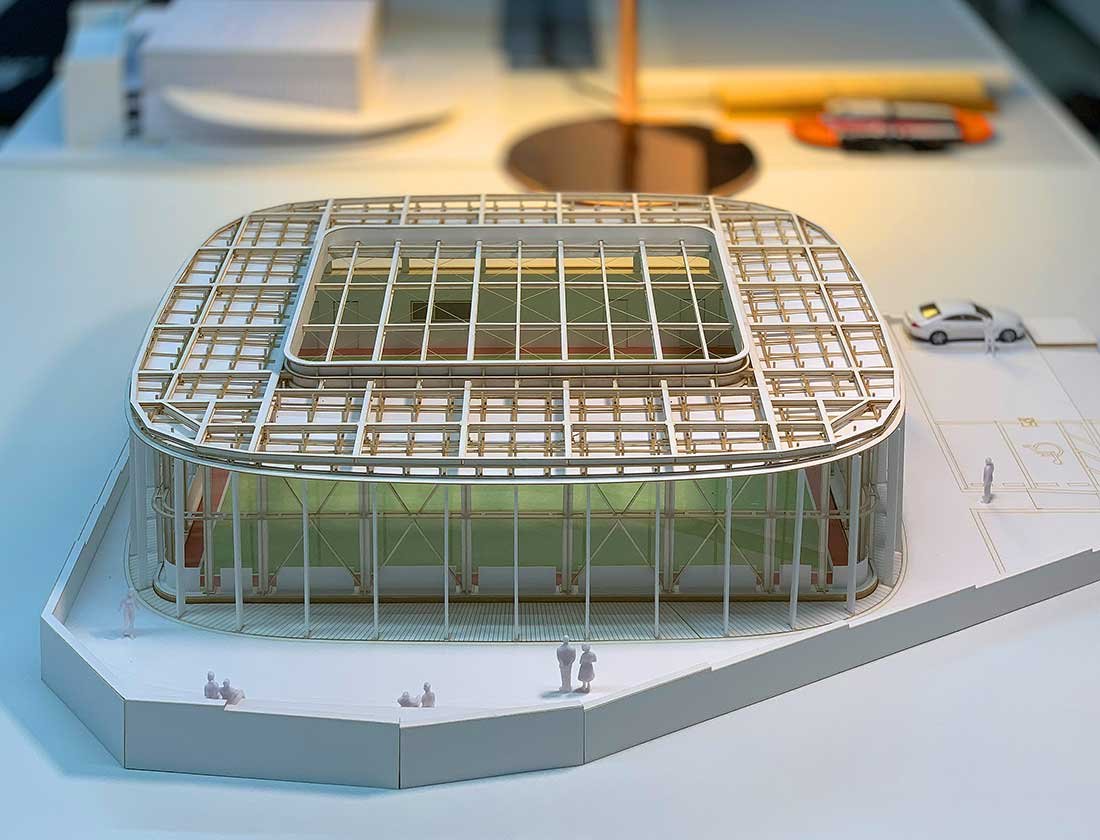
WD Gateball Stadium


A step forward in architecture secures a better future. Innovative architectural devices based on physical data and simulations are being developed. Examples include façades that adjust according to the amount of sunlight, the In-Let system that enhances the efficiency of natural ventilation, and a Massing technique that influences fluid dynamics through buoyancy differences. New engineering approaches that consider not only microclimates but also users’ movement patterns and psychological states within spaces are quite intriguing. Alongside AI interaction, architectural responses to the microclimates of our daily lives—those climates we encounter outside our windows—are essential for architects entering an era of self-reliance.

What about South Korea? A corrupted design competition market, architect chauvinism, the architectural world being consumed by ‘space designers’ who are obsessed with self-reliance due to their textualist tendency, and abstract OOOisms that are more like interpretations than dreams. It is a soil where no innovation can be born. While many possess strong design skills, only a few are genuinely innovative. Isn't it time to reevaluate whether the methodologies we’ve used so far are optimal?

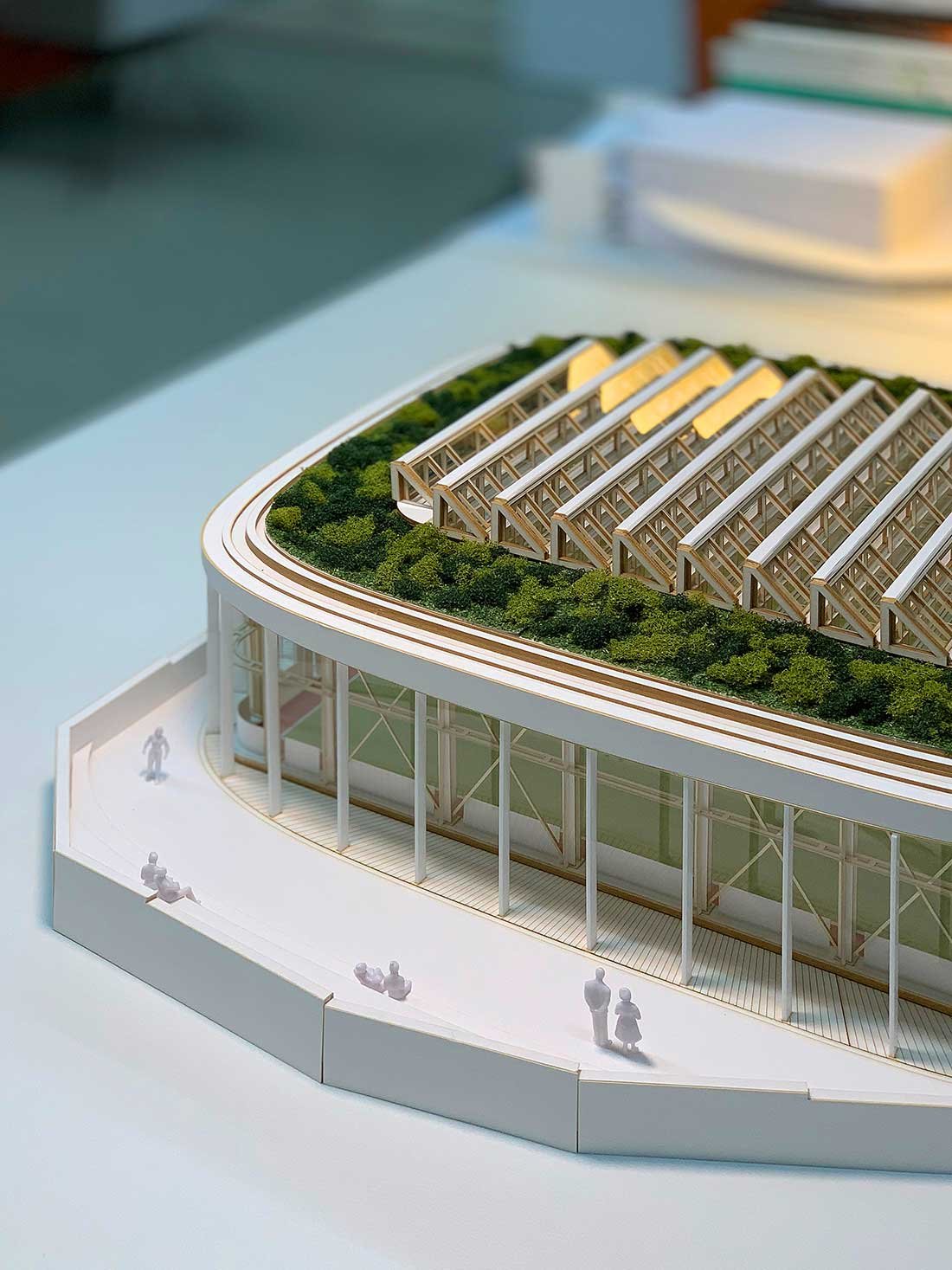
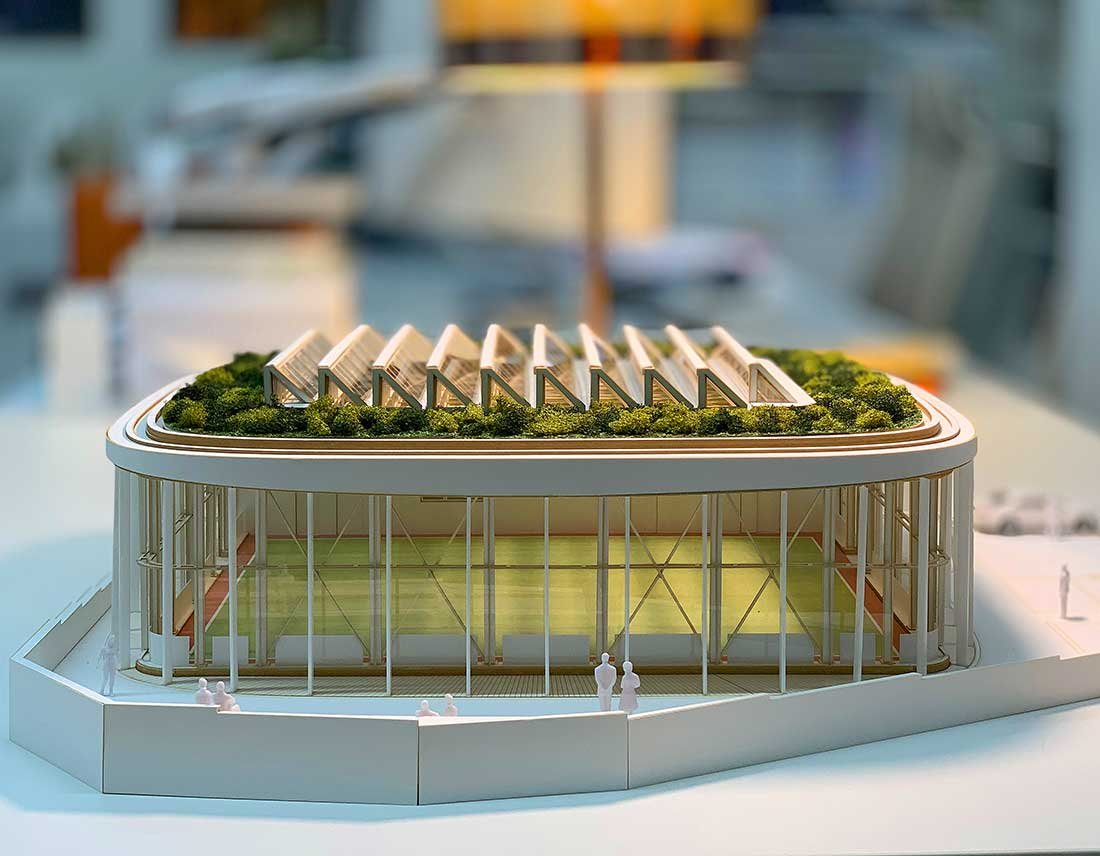
The WD Gateball Stadium project began with a commitment to engineering innovation, driven by these personal reflections and concerns. It represents a result of empirical design based on physical data and simulations of intangible elements such as light, shade, sound, and fluid dynamics. We invested significant time in creating and verifying new design details. Unlike other local governments, we aimed to present an innovative stadium that breaks away from existing paradigms in Incheon Seo-gu, a forward-thinking Smart Eco-city. Throughout this process, we worked tirelessly to implement details within the public architecture market, primarily led by small and medium-sized construction firms.

We do not accept prolific works, as we seek to demonstrate that a select number of innovative designs can transform the world. Ultimately, our goal is to promote healthy spaces through architecture that adapts to its environment. We would like to extend our thanks to CEO Minseo Kim, Director Byeongwoo Lee and Seonghwan Kang for their dedicated efforts over an extended period to bring our design to fruition.

미래를 담보하는 한걸음 진보된 건축. 일조량에 따라 움직이는 파사드, 자연환기의 효율을 극대화한 In-Let 시스템, Buoyancy Difference를 통해 유체의 변화를 유도하는 Massing 등 물리적인 데이터와 시뮬레이션에 기반한 다양한 Architectural Device들이 Invention 되고 있다. 미시기후 뿐만 아니라, 사용자의 행동패턴과 심리상태까지도 공간에 담아내려는 새로운 공학적 시도들이 흥미롭다. AI Interaction과 더불어 창문 밖 기후인 우리 일상 속 미시기후에 대한 건축적 대응은 각자도생으로 접어든 건축가의 수명에 필수적일지도 모른다는 생각이다.

한국은 어떠한가. 오염된 설계공모시장, 건축가 사대주의, 문헌주의적 성향으로 자기 복제에 빠진 '공간디자이너’들이 잠식하는 건축계, 꿈보다 해몽인 추상적 OOOism들. 뭐 하나 혁신이 탄생 할 수 없는 토양이다. 디자인 잘하는 사람은 많아도 혁신은 극소수다. 그동안 우리가 적용해 온 방법론들이 최적이었는지 돌아볼 시점이 아닐까.

WD Gateball Stadium은 이러한 개인적 반성과 고민을 바탕으로 공학적 혁신에 대한 강한의지로 시작된 프로젝트다. 빛, 음영, 소리, 유체의 변화 등 무형요소의 물리적 데이터와 시뮬레이션에 기반한 실증적인 설계의 성과물이다. 그만큼 새로운 디테일 창작과 검증에 많은 시간을 할애했다. 타 지자체와 달리 Smart Eco-city라는 미래지향적인 인천 서구에 기존 패러다임을 벗어난 혁신적인 경기장을 선보이고자 했다. 그 과정에서 영세한 중소규모 건설사가 주도하는 공공건축시장에서 디테일 구현에 불철주야 공을 들였다.

우리는 다작을 하지 않는다. 이는 소수의 혁신적인 디자인이 세상을 바꿀 수 있음을 증명하고자 함이다. 결국 이 모든 것은 환경에 적응하는 건축을 통해 건강한 공간을 확산시키는데 목적이 있다. 긴 시간 우리의 설계를 구현하기 위해 최선을 다해준 김민서 대표, 이병우 소장, 강성환 차장에게 감사한다.

photo. S S K


Red Dot Award: Design Concept 2025 WINNER


Eungam Hana Public Kindergarten designed by SSK, the first competition-winning project after returning to Korea, was selected as the final winner of Red Dot Award: Design Concept 2025 honorably. SSK focuses on experiential architecture that integrates the form and meaning inherent in space by utilizing data and systems. SSK implements adaptive architecture, an active methodology that transcends the physical limitations of space and ensures a healthy living environment through the optimal balance of form and function. It aims to revitalize fragmented daily life through refined spatialization of intangible elements that affect spatial psychology, such as light, shadow, sound, and fluid dynamics. As a high-end studio that performs comprehensive design from furniture and lighting, which are the basic units of architecture, to detailed design and supervision, SSK does not accept low-cost projects or meaningless prolific works. As a design-oriented studio that pursues the pinnacle of architectural detail through dense study, SSK continues to work on innovative spaces.

Singapore again in October!

SSK가 설계한 응암하나어린이집이 Red Dot Award: Design Concept 2025 최종 Winner로 선정되었다. 귀국 후 첫 당선 프로젝트로 긴 시간 정성을 들였던 작업이었다.. SSK는 공간에 담긴 조형과 의미를 데이터와 시스템에 기반하여 통합하는 실증적인 건축을 추구한다. 형상과 기능의 최적화된 균형을 통해 공간이 지닌 물리적 한계를 극복하고 건강한 정주환경을 보장하는 능동적인 건축방법론인 Adaptive Architecture(환경적응건축)을 지향한다. 이는 공간심리에 영향을 미치는 빛, 음영, 소리, 유체 등 무형요소의 정제된 공간화를 통해 파편화된 일상을 재생하는데 목적이 있다. 건축의 기본단위인 가구와 라이팅부터 실시설계 및 공사감리까지 종합디자인을 수행하는 High-end Studio로 저가수주 및 무의미한 다작은 하지 않는다. 밀도있는 스터디를 통해 건축 디테일의 정점을 추구하는 Design-oriented Studio로 혁신적인 공간작업을 이어가고 있다.


Sejong-ro Park and Symbolic Sculpture


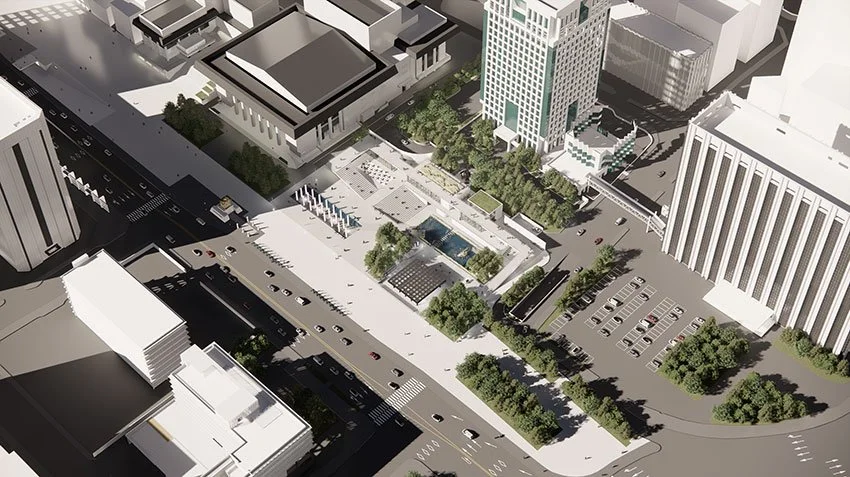
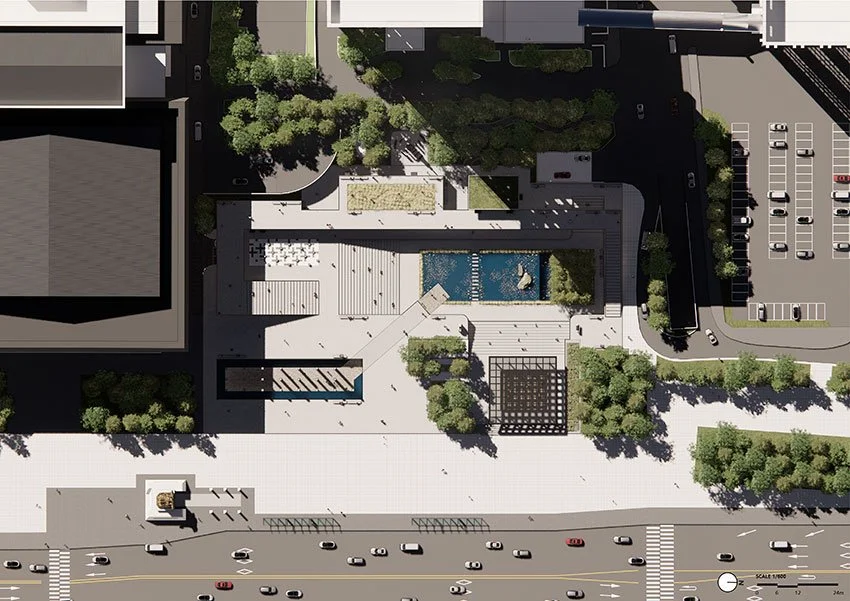
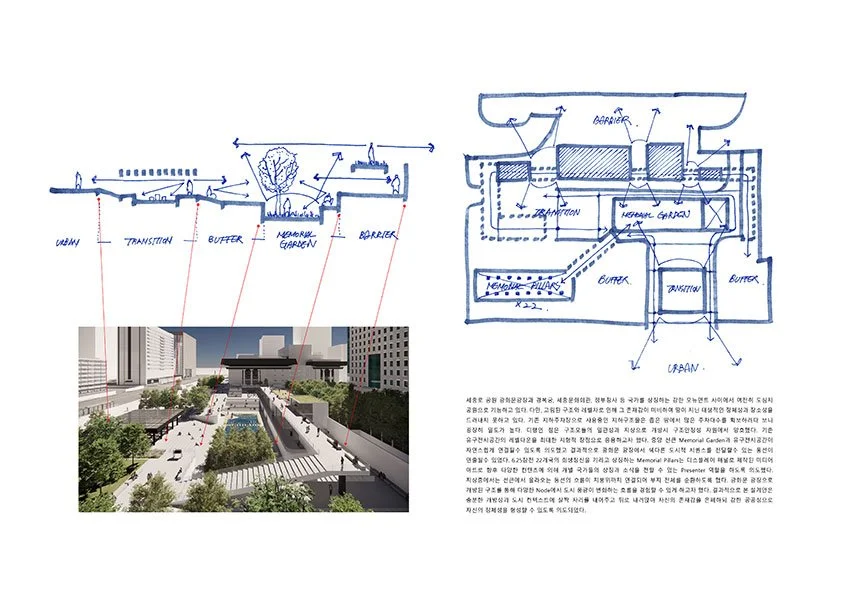
Sejong-ro Park, nestled between Gwanghwamun Square and powerful national monuments like Gyeongbokgung Palace, Sejong Center for the Performing Arts, and government buildings, continues to function as an urban park. However, its stilted structure and level differences diminish its presence, obscuring the inherent identity and sense of place within the grounds. The existing underground parking structure, currently used as a parking lot, is extremely dense due to its limited space and the need to accommodate a large number of vehicles. The design was beneficial in terms of structural module consistency and structural stability when opened to the ground. The lowered level of the existing relic exhibition space was utilized to its maximum advantage. The central sunken Memorial Garden and the relic exhibition space were designed to seamlessly connect, creating a unique urban sequence within Gwanghwamun Square. The Memorial Pillars, which commemorate and symbolize the sacrifices of the 22 countries that participated in the Korean War, are media art pieces created using display panels. These displays are intended to serve as a presenter, conveying the symbols and news of each nation through various content. On the ground floor, the flow of traffic from the sunken area extends to the roof, circulating throughout the site. The open structure to Gwanghwamun Square allows visitors to experience the changing flow of the urban landscape at various nodes. Ultimately, the design aims to create a sense of openness, offering a subtle respite from the urban context while maintaining a distinct presence, yet maintaining a strong sense of public identity. Seoul Memorial Garden consists of five major spaces. The sunken park, created by opening up the upper slab of the existing Sejong-ro Park's first basement level, features a water feature and a two-level Seoul Memorial Garden, forming its centerpiece. Surrounding this space are the Memorial Pillars, symbolizing the sacrifices of the 22 Korean War veterans, and a two-way accessible stair plaza. Part of the existing relic exhibition space was partially removed to connect directly with the Seoul Memorial Garden on the first basement level, actively utilizing the difference in levels. The intention was to create a sense of significance and spatiality within the urban core, through openings to the underground space and the sky above. Specifically, the Seoul Memorial Garden and Memorial Pillars feature long connecting passageways that expand the space, maximizing their symbolic impact. Above all, the three-dimensional and diverse spatial composition will provide visitors with diverse spatial experiences and new memories, thereby perpetuating the continuity of the "Garden of Memory.

세종로 공원 광화문광장과 경복궁, 세종문화회관, 정부청사 등 국가를 상징하는 강한 모뉴먼트 사이에서 여전히 도심지 공원으로 기능하고 있다. 다만, 고림된 구조와 레벨차로 인해 그 존재감이 미비하여 땅이 지닌 태생적인 정체성과 장소성을 드러내지 못하고 있다. 기존 지하주차장으로 사용중인 지하구조물은 좁은 땅에서 많은 주차대수를 확보하려다 보니 굉장히 밀도가 높다. 디행인 점은 구조모듈의 일관성과 지상으로 개방시 구조안정성 차원에서 양호했다. 기존 유구전시공간의 레벨다운을 최대한 지형적 장점으로 응용하고자 했다. 중앙 선큰 Memorial Garden과 유구전시공간이 자연스럽게 연결될수 있도록 의도했고 결과적으로 광화문 광장에서 색다른 도시적 시퀀스를 전달할수 있는 동선이 연출될수 있었다. 6.25참전 22개국의 희생정신을 기리고 상징하는 Memorial Pillars는 디스플레이 패널로 제작된 미디어 아트로 향후 다양한 컨텐츠에 의해 개별 국가들의 상징과 소식을 전할 수 있는 Presenter 역할을 하도록 의도했다. 지상층에서는 선큰에서 올라오는 동선의 흐름이 지붕위까지 연결되어 부지 전체를 순환하도록 했다. 광화문 광장으로 개방된 구조를 통해 다양한 Node에서 도시 풍광이 변화하는 흐름을 경험할 수 있게 하고자 했다. 결과적으로 본 설계안은 충분한 개방성과 도시 컨텍스트에 살짝 자리를 내어주고 뒤로 내려앉아 자신의 존재감을 은폐하되 강한 공공성으로 자신의 정체성을 형성할 수 있도록 의도되었다. Seoul Memorial Garden은 크게 5개의 공간으로 구성된다. 기존 세종로 공원 지하1층의 상부 슬라브를 개방하여 마련한 선큰공원에는 수공간과 함께 복층형의 정원인 Seoul Memorial Garden(서울 기억의 정원)이 중심을 잡고, 그 주변으로 22개 6.25참전국의 희생을 상징하는 Memorial Pillars(기억의 필러)와 2방향에서 접근 가능한 계단광장이 연결된다. 기존의 유구전시공간은 일부 벽체를 해체하여 지하1층의 Seoul Memorial Garden과 직접연결하여 레벨차를 능동적으로 활용했다. 지하공간이나 상부 하늘로 개방된 방식을 통해 도심지 내에서 상징공간의 의미와 공간감을 느낄수 있도록 의도했다. 특히 Seoul Memorial Garden과 Memorial Pillars는 긴 연결통로를 지나 공간이 확장되는 요소를 적용해 상징성이 극대화 될 수 있도록 했다. 무엇보다 입체적이고 다채로운 공간구성은 방문객들로 하여금 다양한 공간체험과 새로운 기억을 안겨줌으로써 ‘기억의 정원’의 연속성을 지속시켜나갈 것이다.ㅤ


FIN


The uniquely shaped skylight curtain wall is called FIN as it resembles a fish fin. The frame of FIN, which can be considered a core element of Adaptive Architectural Design, has been completed. Much time and effort was spent determining the curvature of the refined eaves line. The site has a geomantic topography with greenery behind it. The axis facing south is located on the short side below part of the site, which is the optimal condition for the entire building mass to receive sunlight. The movement of the sun via FIN falls on Column-Free Space. The activities of players moving healthily underneath are depicted. Active architectural devices were installed in the refined mass. It is the result of consideration for an optimized shape that responds to the innate microclimate of the site.

독특한 형상의 천창 커튼월은 물고기 지느러미를 닮았다 하여 FIN이라는 별칭이 붙었다. Adaptive Architectural Design의 핵심이라 할 수 있는 FIN의 프레임이 완성됐다. 처마선의 곡률을 정하는데 참 많은 공을 들였다. 땅은 뒤에 녹지가 버티고 선 풍수상 선저후고 지형이다. 남쪽을 향한 축이 대지 아래 단변에 위치하고 있어 전체 건물 매스에 해를 받기에 최적의 조건이다. FIN을 따라 해의 움직임이 무주공간 필드에 떨어진다. 그 아래서 건강히 움직이는 플레이어들의 활동이 그려진다. 잘 정돈된 매스 곳곳에 능동적인 건축적 장치들을 곳곳에 배치했다. 대지가 지닌 태생적 환경에 최적화된 형상에 대한 고민.


WD Gateball Stadium_ Structural Work / 원당게이트볼장_ 골조공사


The structural part of WD Gateball Stadium has been completed. WD Gateball Stadium is a culmination of the will to demonstrate the architectural concept and philosophy of Adaptive Architecture, which is unfamiliar in Korea. After winning a designated architectural competition in 2022, we wanted to prove that innovation is possible in public architecture. There were countless self-deprecating architectural detail downgrades due to unrealistic construction costs, but we tried to maintain the design quality at the highest level. It is not easy for all SSK staff to overcome irrational issues based on data and numbers while pursuing new and innovative architecture. We must not lose sight of the keyword of innovation. We must avoid prolific work that has fallen into mannerisms. The work currently in progress must be able to present fresh topics to our future selves.

원당게이트볼장 골조 공사가 마무리 되었다. 지역 시공사라 걱정했던 곡면 시공 품질이 준수한 편이다. 원당게이트볼장은 국내에서 익숙치 않은 Adpative Architecture의 개념과 철학을 실증해내려는 의지의 집약체다. 2022년 지명현상에서 당선된 이후 공공건축에서도 혁신이 가능함을 증명하고 싶었다. 비현실적 공사비에 의한 자조적인 디테일 다운그레이드가 수없이 수반 되었으나 설계품질만큼은 최대치로 유지하고자 했다. 새로운 건축, 혁신적인 건축을 지향하며 비합리적 이슈들을 데이터와 숫자에 근거해서 타개해 나가려니 나도 스탭들도 고생이 이만저만이 아니다. 혁신이라는 키워드를 놓치 않아야 한다. 매너리즘에 빠진 다작은 지양한다. 지금 진행중인 작업이 미래의 우리에게 신선한 화두를 던질 수 있어야 한다.


Eungam Hana Public Kindergarten / 2024


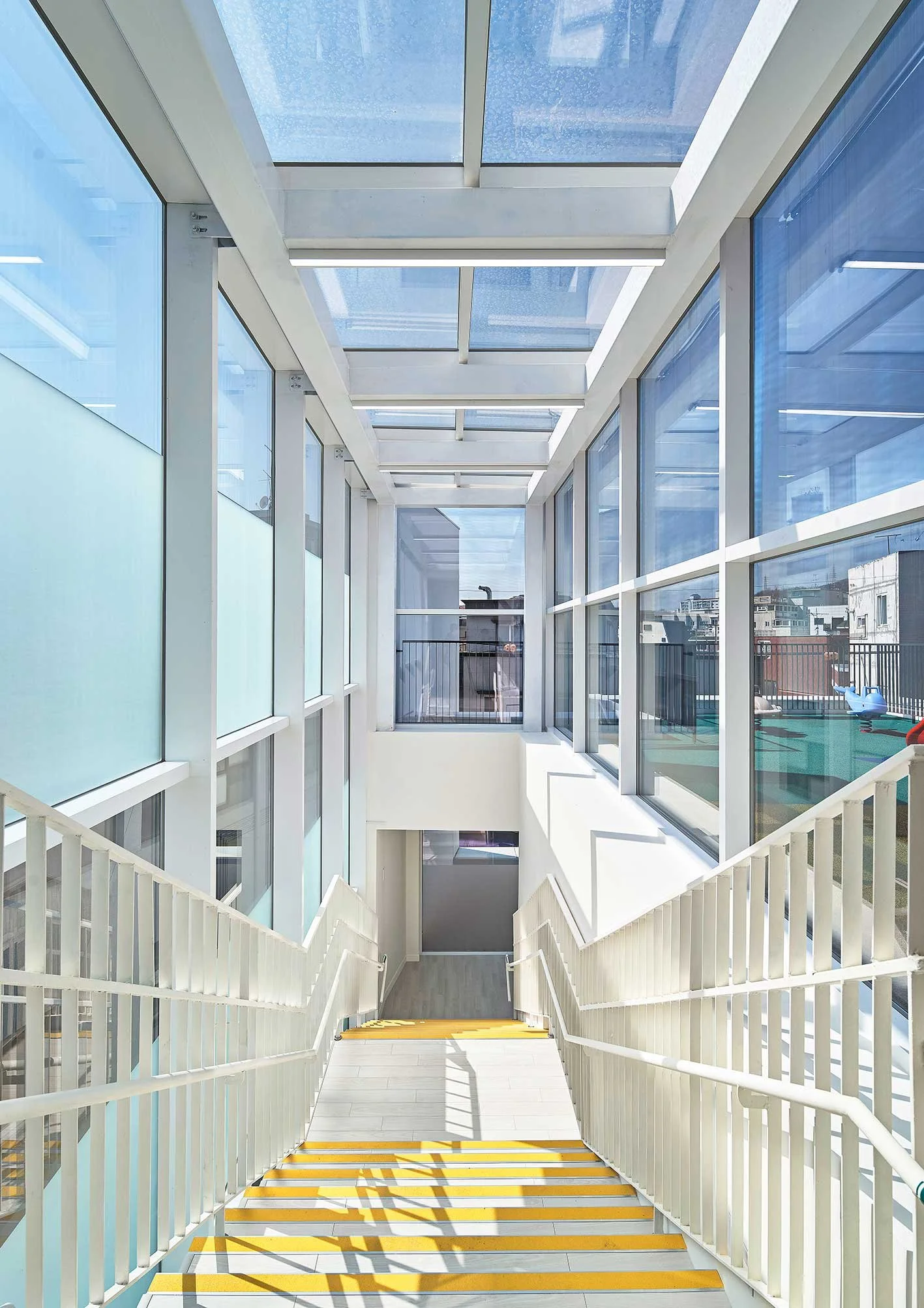
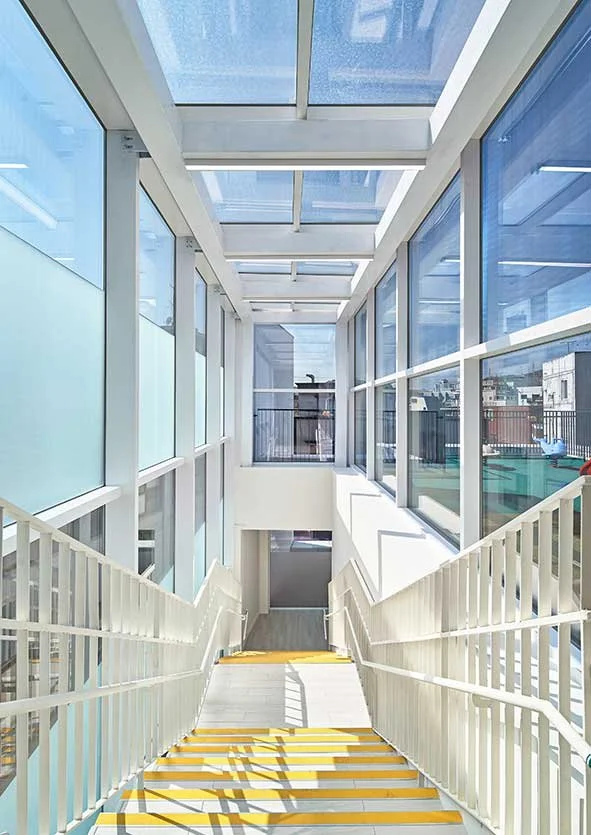
The Eungam Hana Public Kindergarten is a project that proposes a new spatial concept for childcare facilities that respond to the underdeveloped surrounding environment in high-density urban areas.  It is the first childcare facility of Hana Financial Group to be built in Seoul. The site is an isolated area surrounded by old commercial and residential buildings on three sides except for a narrow one-lane road. Although it is a place where a childcare facility is located, where lighting and ventilation are of the utmost importance, it was difficult to establish a pleasant living environment due to the adjacent buildings that were built very close together. We put a lot of effort into resolving the irrationality of the old residential area and designing an efficient spatial layout. The context of the site was too poor to experiment with abstract architectural vocabulary and theoretical architectural discourse. Therefore, we tried to approach the site from a thoroughly empirical perspective. We tried to show a typical example of Korean Sustainable Adaptive Architecture in a high-density urban area based on a methodology that can be verified through data and simulation.  Specifically, the high-ceilinged stairwell atrium was placed on the south side to solve the problem of lack of lighting due to the adjacent buildings. Cross ventilation was made possible through the facade that was open to the east and west, thereby responding to the changes in the microclimate around the building. In addition, slender vertical louvers were applied as a device to protect children from the surrounding gaze in the dense land, and many parts, such as the Movable Louver Frame that helps firefighters respond in emergencies, actively reflect innovative architectural methodologies. The key to high-end architecture in the public sector is how wisely it overcomes realistic constraints with realistic materials and realistic details rather than expensive materials and complex details. Ultimately, these attempts are concerned with creating a comfortable living environment for children using the space exclusively. These efforts have made the results of numerous studies and fierce debates over the past two years a reality.

응암하나어린이집은 고밀도 도심지에서 낙후된 주변 환경에 대응하는 보육시설의 새로운 공간개념을 제시하는 프로젝트다. 하나금융그룹의 보육시설로는 서울에는 처음으로 신축되는 보육시설이다. 사이트는 전면 1차선의 좁은 도로를 제외하고 3면이 노후 된 상가주택으로 둘러쌓인 고립된 지역이다. 채광과 환기가 무엇보다 중요한 보육시설이 위치할 입지임에도 다닥다닥 붙은 인접 건물들로 인해 쾌적한 정주환경 구축이 어려운 상황이었다. 노후 주거밀집지역의 불합리함을 해소하고 효율적인 공간레이아웃을 설계하는데 많은 노력을 기울였다. 추상적인 건축어휘와 이론에 치우친 건축담론을 실험하기에 사이트의 컨텍스트는 너무도 열악했다. 따라서 철저히 실증적인 관점에서 사이트를 대하고자 했다. 데이터와 시뮬레이션으로 실증가능한 방법론에 근거하여 고밀도 도심지에서의 한국적인 Sustainable Adaptive Architecture (지속가능한 환경적응건축)의 전형을 보여주고자 했다. 구체적으로 높은 층고의 계단실 아트리움을 남측에 두어 인접 건물로 인한 채광 부족문제를 해결하고자 했다. 동서로 개방된 파사드를 통해 Cross Ventilation이 가능하게 함으로써 건물주변 Microclimate(미시기후)의 변화에 대응하고자 했다. 또한 조밀한 땅에서 주변의 시선으로 부터 아이들을 보호하기 위한 장치로써 세장한 수직루버가 적용되었고, 비상시 소방관 진입을 돕는 Movable Louver Frame까지 많은 부분에서 능동적인 혁신적 건축방법론들이 반영됐다. 공공에서의 하이엔드 건축은 값 비싼 재료, 복잡한 디테일 보다는 현실적인 재료, 현실적인 디테일로 얼마나 현명하게 현실적 제약들을 극복하느냐가 관건일 것이다. 결국 이 모든 시도들은 공간을 전용하는 아이들에게 구축해 줄 쾌적한 정주환경을 위한 고민들이다. 이러한 노력으로 지난 2년에 걸친 수많은 스터디와 치열했던 디베이트의 결과물이 현실화 될 수 있었다.

photo. namsun lee


Koreanization in Detail Design / 디테일의 한국화


What we have been most concerned about over the past few months is ultimately the realization of the details. Even if we design innovative details, the ultimate obstacle is whether they can be verified. For this reason, a process of making details realistic is necessary so that even small local construction companies lacking construction capabilities can carry out construction. In a grandiose sense, it is a self-deprecating downgrade process called the Koreanization of details. This requires the architect's persistence to maintain the original plan amidst the accompanying design changes. The desire for new details, rather than a patchwork of details received from partners, is the source of architectural challenges. As an extension of that, detailed model work is essential. A physical model of at least 1/50 scale goes beyond simple mass study and becomes a guide to issues that may arise at construction sites. I am grateful to Associate Designer Woo-jong Cho for continuing his excellent studies for a long time despite his busy work.

지난 몇달간 가장 고민했던 부분은 결국 디테일의 현실화. 혁신적인 디테일을 설계해도 결국 걸림돌이 되는 것은 실증가능여부다. 때문에 시공능력이 부족한 영세한 지방 건설사들도 시공할 수 있도록 디테일을 현실화 시키는 과정이 필요하다. 거창하게는 디테일의 한국화라는 자조적인 다운그레이드 과정이다. 이를 통해 수반되는 설계변경 속에서 원안 유지를 위한 건축가의 고집이 필요하다. 협력사들에서 받은 디테일의 짜집기가 아닌 새로운 디테일에 대한 갈망은 건축적 도전의 양분이된다. 그 연장선상에서 디테일한 모형 작업은 필수다. 최소 1/50 스케일의 물리모형은 단순한 매스스터디를 넘어 현장에서 발생가능한 이슈들에 대한 가이드가 된다. 바쁜 업무속에서 긴시간 훌륭한 스터디를 지속해 준 조우종 차장에게 감사한다.


Built-form in High-Density Urban Areas / 고밀도 도심지에서의 구축형상


Hana Financial Group Eunpyeong-gu Public Kindergarten is a project that presents a new spatial concept for childcare facilities that responds to the underdeveloped surrounding environment in high-density urban areas. This is Hana Financial Group's first Kindergarten to be newly built in Seoul. A lot of effort was put into designing an efficient spatial layout in an unreasonably dense residential area. An atrium with a high floor height that responds to microclimate, an open façade to improve the indoor environment where lighting is lacking due to adjacent buildings, louver shielding to protect children from surrounding gaze in the dense ground, and the moving louver frame for emergency entry. Active architectural methodologies were reflected in many aspects. High-end architecture is not just about expensive materials and new details. High-end public architecture is a matter of how deeply realistic constraints can be overcome with realistic materials and realistic details. Ultimately, these are concerns about creating a comfortable residential environment for children and daycare teachers. Hana Financial Group's public daycare center in Eunpyeong-gu, which was the result of numerous studies and debates, is nearing completion.

하나금융그룹 은평구 국공립어린이집은 고밀도 도심지에서 낙후된 주변 환경에 대응하는 보육시설의 새로운 공간개념을 제시하는 프로젝트다. 하나금융그룹의 어린이집으로는 서울시내에 처음으로 신축되는 보육시설이다. 불합리한 주거밀집지역에서 효율적인 공간레이아웃을 설계하는데 많은 노력을 기울였다. Microclimate(미시기후)에 대응하는 높은 층고의 아트리움, 인접건물로 인해 채광이 부족한 실내 환경 개선을 위한 개방된 파사드, 조밀한 땅에서 주변의 시선으로 부터 아이들을 보호하기 위한 루버 차폐, 비상시 진입을 위한 Movable Louver Frame까지 많은 부분에서 능동적인 건축방법론들이 반영됐다. 하이엔드 건축은 비싼 재료, 새로운 디테일만을 의미하지 않는다. 공공에서의 하이엔드 건축은 현실적인 재료, 현실적인 디테일로 얼마나 깊게 현실적 제약들을 극복하느냐의 문제다. 결국 아이들과 보육선생님들에게 구축해줄 쾌적한 정주환경에 대한 고민들이다. 수많은 스터디와 디베이트가 반영된 하나금융그룹 은평구 국공립어린이집이 준공을 목전에 두고 있다.


WD Gateball Stadium_ Foundation Work / 원당게이트볼장_ 기초공사


WD Gateball Stadium is the result of applying many active architectural devices based on Adaptive Architecture. A variety of Sustainable Design methodologies were applied, including the Ventilation In-Let System to actively induce natural ventilation within the stadium, the Sloped Ceiling Curtain Wall to optimize the inflow of natural light, and the Extended Eaves to control the excessive inflow of direct sunlight. The purpose of all these active devices is ultimately to provide a healthy sports space for local seniors through the construction of a gateball stadium. The foundation framing work of the WD Gateball Stadium, for which a lot of time and effort was put into detailed design, has been completed.

원당 게이트볼 경기장은 Adaptive Architecture에 기반한 능동적 건축디바이스들이 다수 적용된 결과물이다. 경기장내 적극적인 자연환기 유도를 위한 Ventilation In-Let System, 자연광 유입을 최적화 시키는 Sloped Ceiling Curtain Wall, 직사광선의 과도한 유입을 조절하는 Extended Eaves 등 다양한 Sustainable Design 방법론들이 적용되었다. 이 모든 능동적 디바이스들의 목적은 결국 게이트볼 경기장 건립을 갈망해오신 지역 어르신들에게 건강한 체육공간을 제공하기 위함이다. 디테일 설계에 많은 시간과 노력을 쏟아부었던 원당 게이트볼 경기장의 기초부 골조 작업이 마무리됐다.


Helen Hall of Ewha / 이화의 헬렌관


Helen Hall was built in 1957 as Ewha Womans University's first central library. It is a representative building symbolizing Ewha Womans University's history. It is currently used by the College of Nursing. Helen Hall is a place of active cultural exchange among the new women of the time and a place where numerous debates and discussions took place at key moments in the development of modern and contemporary women's rights. It is a building that shows modern architectural style well and has great architectural historical value. The façade, which shows precisely calculated proportions with simple intersecting concrete louvers, presents the depth of refined order and sophistication that transcends the times. Although Helen Hall is a symbolic building of Ewha Womans University, it is currently isolated due to the physical limitations of the aging building and its deviation from the axis of the ECC campus. The façade facing the road is dispersed from view due to the level difference, creating a naturally isolated spatial structure. Unlike the trend in modern architecture, where openness and autonomy of action must be guaranteed, this closed spatial structure serves as the main cause of weakening the goal of an open academic information center. We sought to present a new alternative as an open, cutting-edge academic information center by resolving the physical limitations of Helen Hall.

Beyond the task of reconstructing a symbolic building of a university, the design process was based on the perspective of reinterpreting Helen Hall as a space with a strong identity within the flow of modern Korean architectural history. The starting point of this design was to reduce the physical gap based on strong communication with the surrounding context. To this end, we sought to preserve the façade of Helen Hall, which has high preservation value, and at the same time inherit the value of Helen Hall as a heritage of Ewha Womans University through reinterpretation. An innovative alternative was needed that went beyond the expected primary responses, such as preservation of the façade, use of the courtyard, and tower-type mass. We wanted to create a design that would exemplarily inherit tradition with creative vocabulary, such as reprocessing the rear part while preserving the skin, and contrasting physical properties. In order to establish an innovative design direction based on conservation, the design was carried out based on several specific principles. First, utilize the level difference of the land when opening the mass. Second, the past and present will be recombined through an autonomous interior space that contrasts with the refined façade. Third, the dignity of the Helen Hall as a symbol of Ewha Womans University will be shown through the preservation of the façade. Based on these principles, we tried to find proportions and volumes that would balance Ewha Womans University's main building and the central library. At the same time, in order to realize a façade with a purified identity that harmonizes with the surrounding landscape within the hierarchy of the campus, the original shape of the façade was preserved as much as possible according to the detailed facility construction plan, minimizing the sense of heterogeneity with the surrounding environment. The open atrium and laminated slabs embracing the campus landscape were intended to function as the main library's vestibule. We wanted to maintain the original context of Helen Hall but create an innovative interior space that fits the context of the times as a cutting-edge academic information center. Through this, we attempted to decentralize the functions of the saturated Central Library and fundamentally improve the irrationality of the existing circulation lines through vertical movement lines on both sides of the slab.

As it is a building with a strong identity that symbolizes the history and future of Ewha Womans University, we wanted to reflect innovative design methodologies. In addition to maintaining the existing Helen Hall façade, the new Environmentally Adaptive Facade system allowed for active control of lighting and ventilation. We attempted to solve the dark and humid microclimate of the existing Helen Pavilion through an architectural device based on natural ventilation (cross ventilation). The façade and atrium, designed to the optimal shape through various eco-friendly design simulations such as insolation and indoor wind tunnel (CFD), will provide users with a healthy residential space. The reconstruction of Helen Hall began with the contemporary task of evolving the academic information center in a rapidly changing environment, such as the lack of individual creative space, acceptance of various learning styles, and creation of a new campus atmosphere. The current Central Library had realistic limitations such as space usability, capacity, and aging facilities to accommodate these issues. Helen Hall, which will complement this and be reborn as an organic space with a strong identity, will symbolize the future of Ewha Womans University, which has led the modern and contemporary era of Korea by producing numerous talented people and will also function as a unique academic information center within the high-density campus.

헬렌관은 1957년 이대 최초의 중앙도서관으로 건립된 건물이자 이대의 역사를 상징하는 대표적인 건물이며 현재 간호대학으로 사용중이다. 헬렌관은 당대 신여성들의 활발한 문화교류의 장이자 근현대 여권 신장의 주요 순간마다 숱한 논쟁과 협의가 오갔던 곳으로 그 장소성과 상징성이 주는 위압감은 굉장하다. 근대 건축양식을 잘 보여주는 건축물로 건축사적 가치도 우수하다. 간결한 콘크리트 루버가 교차하며 정교하게 계산된 비례를 보여주는 파사드는 정제된 질서의 깊이와 시대를 뛰어넘는 세련됨을 선사한다. 헬렌관은 이대를 상징하는 건물임에도 노후화된 건물의 물리적인 한계와 ECC 캠퍼스 축에서 벗어남으로써 현재 다소 고립된 상황이다. 도로에 면한 파사드는 레벨차로 인해 시야에서 분산되면서 자연스럽게 고립된 공간구조를 연출하고 있다. 개방성과 행위의 자율성이 보장되어야 하는 현대 건축의 추세와 달리 이러한 폐쇄적인 공간구조는 열린 학술정보관이라는 목표를 약화시키는 주원인으로 작용하고 있다. 헬렌관의 물리적 한계를 양성화시켜 열린 첨단학술정보관으로서 새로운 대안을 제시했다.


한 대학교의 상징적인 건물의 재건축이라는 과업을 넘어 한국 근대 건축사의 흐름 속에서 강한 정체성을 지닌 공간으로서 헬렌관을 재해석한다는 관점을 설계과정의 기저에 두었다. 주변 컨텍스트와의 강한 교감을 바탕으로 물리적 간격을 줄이는 것이 본 설계안의 시작점이었다. 이를 위해 보존가치가 높은 헬렌관 입면을 존치함과 동시에 재해석을 통해 이대의 유산으로서 헬렌관의 가치를 계승하고자 했다. 파사드 보존, 중정의 활용, 타워형 매스 등 어느 정도 예상되는 1차적 대응을 뛰어넘는 혁신적인 대안이 필요했다. 표피 존치와 함께 후면부를 재가공한다거나 물성의 대비 등 창의적 어휘로 전통을 모범적으로 계승하는 설계안을 만들어내고자 했다. 보존에 기반한 획기적인 설계방향 정립을 위해 구체적으로 몇 가지 원칙을 두어 설계를 진행했다. 첫째, 매스 개방에 있어 대지가 지닌 레벨차를 활용할 것. 둘째, 정제된 파사드와 대비되는 자율적인 실내 공간을 통해 과거와 현재를 재조합할 것. 셋째, 파사드의 존치를 통해 이대의 상징으로서 헬렌관의 위엄과 품위(Dignity)를 보여줄 것. 이러한 원칙을 기반으로 이대 본관과 중앙도서관 사이에 균형을 가져다줄 비례와 볼륨을 찾아내고자 했다. 동시에 캠퍼스의 위계 속에서 주변 경관과 조화를 이루는 순화된 정체성을 지닌 파사드를 구현하기 위해 세부시설조성계획에 따라 입면부는 최대한 원형을 보존하여 주변 환경과의 이질감을 최소화했다. 캠퍼스 풍경을 품은 열린 아트리움과 적층된 슬라브는 중앙도서관의 전실로서 기능하도록 의도됐다. 헬렌관이 지닌 원형의 컨텍스트를 유지하되 첨단 학술정보관이라는 시대의 맥락에 부합하는 혁신적인 실내 공간을 창출하고자 했다. 이를 통해 포화상태인 중앙도서관의 기능 분산을 유도하고 슬라브 양측면의 수직동선을 통해 기존 동선의 불합리함을 근본적으로 개선했다.


이대의 역사와 미래를 상징하는 정체성이 강한 건물인만큼 혁신적인 디자인 방법론들을 반영하고자 했다. 기존 헬렌관의 입면을 존치함을 넘어 새로운 환경적응파사드(Environmentally Adaptive Facade) 시스템으로 적극적으로 채광과 환기를 컨트롤할 수 있도록 했다. 어둡고 습했던 기존 헬렌관의 미시기후(Microclimate)를 자연환기(Cross ventilation)에 기반한 건축적 장치를 통해 해결하고자 했다. 일사량(Insolation), 실내풍동(CFD) 등 다양한 친환경 설계 시뮬레이션을 통해 최적의 형상으로 디자인된 파사드와 아트리움은 사용자에게 건강한 정주공간을 제공할 것이다. 헬렌관 재건축은 개별 창작 공간의 부족, 다양한 학습 형태 수용, 새로운 캠퍼스 분위기 조성 등 급변하는 환경 속에서 학술정보관의 진화라는 시대적 과업에서 시작됐다. 이러한 최신 이슈들을 수용하기에 현 중앙도서관은 공간 활용성, 수용 규모, 시설 노후 등 현실적 한계를 갖고 있었다. 이를 보완하며 강한 정체성과 유기적인 공간으로 재탄생할 헬렌관은 수많은 인재 배출을 통해 한국의 근현대를 이끌어온 이대의 미래를 상징함과 동시에 유휴부지가 부족한 고밀도의 캠퍼스 내에서 유일무이한 학술정보관으로서 기능할 것이다.



Interview with CUBICOON

National Jeongdong Theater / 국립정동극장


Last week, the results of the Jeongdong Theater design contest were announced. Let's summarize some thoughts. Before the participation, I could not shake off my doubts about the legitimacy of the reconstruction of the existing Jeongdong Theater. There was the burden of pouring out limited resources as an atelier amid the shortage of manpower in the architectural field in Korea, so it was a priority to find the justification for participation. The discussion about the reconstruction of the Jeongdong Theater started with the desperate task of maintaining the theater in a rapidly changing environment, such as the lack of Korean traditional opera theaters, the need to accommodate various types of performances, and to meet the demand for audiences that will explode after Covid-19. The problem is that to accommodate these realistic issues, the existing Jeongdong Theater had many physically incomplete parts, such as the implementation of a variety of performances, the number of seats, and the aging of the stage equipment. At the level of renovation or reconstruction, it was difficult to guarantee the function of Jeongdong Theater as a production theater. Hundreds of reasons can be given for the preservation of the existing Jeongdong Theater in terms of architectural value and cultural symbolism. However, I was more sympathetic to the real motive that the thirst of a field of performing arts in Korea for a real stage should take precedence over the reasons for maintaining it, and I decided to participate. First of all, the sublation point was more important than the orientation point. The part I avoided the most was the notion that the urban context or materiality should be blindly preserved because. For instance, the notion that concrete and curtain walls are a symbol of modernity, so they will not be suitable for Jeongdong, and the notion that all old structures are worth preserving. Therefore, preservation of the red brick façade of the existing Jeongdong Theater and the succession of the courtyard were expected responses. In the meantime, I have experienced countless cases where the tradition was inherited by way of creative design languages, such as reprocessing the rear part of a building with only preserving the skin or contrasting materiality. Those ideas were shown in works: Peter Zumthor's Kolumba Museum, Ando Tadado's Bourse de Commerce, Foster+Partners' Museo Nacional del Prado, and HPP Architekten's Leipzig Congress Center. What they have in common is that the object itself had a superior value, and the selective respect and intentional disregard of the architect who designed it. On the other hand, it was difficult to find the justification for its irreplaceable preservation in the 26-year-old Jeongdong Theater (1995), not even the lost Wongaksa Theater (1908). Moreover, the existing Jeongdong Theater's yard, which was formed from the methodology of separating the space from the outside with a barrier, was distant from the methodology of modern public architecture that emphasizes openness and transparency. Selective preservation was much more important than emotional succession that had to be preserved because it was just old or because the memories of citizens were accumulated. On the basement of such notions, specifically, I tried not to deviate from the three tasks below. First, a new methodology for opening ground level in the high-density old city center will be presented. Second, present a prototype of the compressed Proscenium theater on a narrow site. Fourth, show Dignity as a national theater. As a result, although theater design was competitive, there seemed to be some disagreement during the evaluation in the methodology of opening ground level, respect of the context, and materiality. Rather than feeling regret for the subjective judgment, once again take responsibility for the incomplete design. There are a few rules in participation in the competition: It should be possible to archive and library for future work. It must be socially and culturally meaningful. It should be worth the architectural challenge. It should be fun to design. Recently, an experiment has been added. It is the possibility of the staff in a manpower shortage. It is not easy to keep the belief that works will prove the justification of a fair design competition with insufficient hands. the year is coming to an end. I am relieved that there were still many right choices amidst the choices and opportunities. As an extension, I am grateful that the Jeongdong Theater design was also an opportunity to demonstrate my work.

정동극장 설계공모. 몇 가지 생각을 정리해 본다. 참가 전, 기존 정동극장 재건축의 당위성에 대한 의심을 떨칠 수 없었다. 또한 건축계 인력난 속에서 아틀리에로서 제한된 리소스를 쏟아 부어야 한다는 부담도 컸다. 정동극장 재건축 논의는 전통 창극 공연장의 부족, 다양한 공연 형태 수용의 필요성, 코로나 이후 폭증될 관객 수요의 충족 등 급변하는 환경 속에서 극장의 존립이라는 필사적 과제에서 시작됐다. 현실적 이슈들을 수용하기에 기존 정동극장은 무대 연출의 다양성 구현, 객석규모, 무대장치 노후 등 물리적으로 미완의 부분들이 많았다. 개축 혹은 리모델링 수준으로는 제작극장으로서 정동극장의 기능을 담보하기 어려웠다. 기존 정동극장의 건축적 가치, 문화적 상징성 측면에서야 수백 가지 존치의 이유를 댈 수 있겠다. 하지만 공연장다운 공연장, 무대다운 무대에 대한 공연예술계의 생존에 대한 갈증이 존치 이유보다 우선해야 한다는 현실적 동기에 더 큰 공감을 했고, 참가의 이유가 됐다. 타 도심지와 달리 정동 일대는 문화재, 역사적 장소, 공공기관, 유서 깊은 학교, 미술관 등 문화 인프라가 곳곳에 산재되어 있는 지역으로 정동극장은 그 중심에 위치해 있다. 정동극장의 상징성은 널리 알려져 있으나 공간 자체의 정체성은 주변의 강한 모뉴먼트들에 의해 가려진 상태다. 정동극장은 덕수궁길, 정동길에 둘러쌓여 한 면만 도로에 개방되어있는 형상으로 고립도가 심화되어 있다. 더욱이 도로에 면한 파사드가 차벽으로 분리되어 다소 폐쇄적인 공간구성을 취함으로써 개방적인 면에서 취약점이 발견된다. 과거와 달리 시민에 대한 개방성이 강조되는 시점에서 이러한 폐쇄적인 공간구조는 시민에게 열린 극장이라는 정동극장 본연의 색체를 약화시키는 근본적인 원인으로 판단된다. 이에 따라 기존 정동극장의 물리적인 한계를 직시하고 새롭게 열려있는 극장으로서 대안을 제시하고자 했다. 주변 컨텍스트들과의 강한교감을 바탕으로 시민들과의 물리적 간격을 줄이는 것이 본 설계안의 시작점이 되었다. 우선 지향점보다 지양점이 중요했다. 가장 지양했던 부분은 ‘정동’이므로 도시적 컨텍스트 혹은 물성을 맹목적으로 보존해야 한다는 관념이었다. 가령 콘크리트와 커튼월은 모던의 상징이므로 정동에 어울리지 않을 것이라는 관념, 오래된 구조물은 모두 보존의 가치가 있다는 관념 등이다. 따라서 기존 정동극장의 파사드 보존, 안마당의 계승 등은 쉽사리 예상되는 대응이었다. 그동안 기존의 컨텍스트들을 모범적으로 계승했던 사례들을 수없이 직접 보고 만져 봤었다. Peter Zumthor의 Kolumba Museum, Ando Tadado의 Bourse de Commerce, Foster+Partners의 Museo Nacional del Prado, HPP Architekten의 Leipzig Congress Center 등이 그러했다. 이들의 공통점은 존치의 대상이 이미 태생적으로 월등한 가치가 있었고, 이를 손댄 건축가의 선택적 존중과 의도적 무시가 병행되었다는 점이다. 이에 비해 이미 소실된 원각사(1908)도 아닌 이제 갖 26돌 된 기존 정동극장(1995)에서 대체 불가능한 존치의 당위성을 찾기는 어려웠다. 더욱이 차벽으로 외부와 경계 지어 공간을 분리하는 방법론에 기반한 기존 정동극장의 안마당은 개방과 투명성을 강조하는 현대 공공건축의 방법론과도 상당한 괴리가 있었다. 그저 오래됐으니, 혹은 추억이 있으니 보존해야 한다는 맹목적 존치보다 선택적 존치가 주요했다. 이러한 베이스먼트 위에서 구체적으로 아래 세 가지 TASK에서 벗어나지 않으려 노력했다. 첫째, 고밀도 구도심에서 저층부 개방의 새로운 방법론을 제시할 것. 둘째, 협소대지에서 압축된 Proscenium 극장의 Prototype을 제시할 것. 셋째, 국립극장으로서 Dignity를 보여줄 것. 결과적으로 보면, 공연장 설계만큼은 경쟁력이 있었으나, 저층부 개방의 방법론, 컨텍스트와 물성의 존중에 있어서 심사 시 다소 이견이 있었던 것 같다. 주관적인 판단에 대한 아쉬움보다 다시 한번 미완의 설계안에 책임을 지우게 된다. 현상설계 참가 시 몇 가지 원칙이 있다. 차기 작업을 위한 아카이빙과 라이브러리화가 가능할 것. 사회적 문화적으로 의미가 있을 것. 건축적인 도전이 될것. 즐겁게 디자인할 수 있을 것. 최근에는 한가지 실험이 더해졌다. 인력난 속에서 스탭의 가능성이다. 부족한 일손으로 공정한 설계공모의 당위성을 작품으로 증명하겠다는 신념을 유지하는 것이 쉽지 않다. 한해가 끝나간다. 선택과 기회 속에서 그래도 올바른 선택이 있었음에 안도한다. 연장선 상에서 정동극장 설계 역시 내 작업을 실증할 수 있는 기회가 될 수 있었음에 감사한다.


SEOULTECH Library and Students Hall / 서울과학기술대학교 도서관


I participated in a new architectural competition after winning in a competition hosted by HANA Financial Group in April. I compete with the D-firm consortium following the K-firm in Guro Station architectural competition and the H-firm in Chungju Art Centre competition. The result is the 2nd Prize. The selected work was great as well. Every month, many architects have been engaged in several competitions. Sometimes good works are selected as a winner. But in many cases, much greater works that deserve to be a winner are failed. One of the reasons I compete with Goliaths is to verify the justification of fairness in architectural competitions in Korea. If we do not compete or challenge with a sense of defeat on an uneven playing field, grotesque spaces will overflow. I believe that keeping a sense of challenge is the true attitude of a young architect. To me, the much more important thing than being a winner would be keeping a coherent architectural spectrum, and creating works that are deserved by myself after years. In that way, the 2nd Prize would be valuable.


지난 4월 하나금융 설계공모 당선 이후 오랜만에 참가한 설계공모. 구로역사의 K사, 충주예술의전당의 H사에 이어 또다른 대형 설계사인 D사 컨소시엄과 경합을 벌였다. 어느때보다 공정한 심사를 기대했다. 결과는 2등. 당선안은 훌륭했다. 매달 수개의 설계 공모에 건축가들이 뛰어든다. 훌륭한 당선작도 많지만, 그보다 더 뛰어난 작품이 낙선되는 경우도 많다. 내가 틈틈히 다윗과 골리앗 싸움에 뛰어드는 이유는 대형설계공모에서 공정한 심사의 당위성을 작품으로 증명하기 위함도 있다. 기울어진 운동장이라고 도전조차 않는다면, 우리 주변에 정체성 없는 괴공간들은 넘쳐날 수밖에 없다. 한번 부딪혀 보자는 것이 젊은 건축가의 자세가 아닐까. 당선보다 더 중요한 것은 일관성 있는 스펙트럼을 유지하는 것. 수년 뒤 나 스스로가 deserve 할 수 있는 작업을 세상에 내놓는 것. 그런 면에서 아쉬운 2등은 더 값질 수 있을 것이다.

 
210727_서울과기대_내부투시도.jpg


Chungju Art Centre / 충주 예술의 전당


I happily announce that one of our recent works has awarded the 2nd Prize in Chungju Art Centre Competition. How should loyalty be symbolized? It started with concerns about locality. Hoamji, Tangeumdae, Jungangtap, and City of Loyalty were symbols that were advantageous for creating architectural forms, but they were not likely to serve as philosophical motifs for the Seoul Arts Center. As a result of several site visits and contemplation, Chungjuseong, which we paid attention to, was a serenity itself that did not change despite the change of time and weather. The Hoam area was a particularly beautiful place with the snow-covered white rice fields and the soft twilight. For a long time, I have been thinking a lot about the abstract concept of architecture. Even when I won the design competition for the pavilion at the Venice Biennale, I clung to Goethe's words, 'I saw the sea for the first time in Venice' for days and days. It took a very long time and effort to find the motif of 'fog' in this one sentence. This design plan for the Chungju Arts Center is all the more regretful because there were many internal conflicts like this. I wanted to capture the ever-changing scenery of Hoam on the skin. Specifically, we wanted the theater's skin to function like a natural media façade. Architecture that captures the small amount of time through changes in the epidermis that is discolored and worn out. Classical vertical concrete and glass curtain walls were used as the main materials to make it a sturdy theater that does not lose its dignity while being simple. Like the concrete skin of the National Theater and the National Theater in England, which contain the traces of time, the architecture was intended to maintain its classic character as a theater over the years. As a result, the mass of the cross-shaped Proscenium Theater, which consists of four stages, became a shape that was exposed to the outside. It was judged that the scenery in reality felt in the glass atrium where the stars were pouring during the intermission would add another inspiration to the performance. At this point, I searched the theater technical information DB and found that there are not many theaters in Korea that are properly equipped with a rear stage. It is probably because the local government prefers multi-purpose theaters rather than theaters dedicated to musicals where the depth of the stage is important. For similar reasons, there are more proscenium theaters than amphitheaters that favor classical music. Because musical consumption is higher. This work was a great opportunity to study the classic theater without any problems. The optimal reverberation time according to the depth of the stage, the position of the dress circle according to the sound diffraction, etc. I was able to study and simulate numerous theories of performing arts in 3D.

충주성이란 어떻게 상징화 되어야 할까? 지역성에 대한 고민에서 시작을 했다. 호암지, 탄금대, 중앙탑, 충절의 도시 등 건축형상을 만들어 내는데 유리한 상징들이 있었지만 예술의 전당의 철학적 모티브가 되기에는 개연성이 부족했다. 수차례 현장방문과 고민의 결과, 저희가 주목했던 충주성은 시간과 날씨의 변화에도 변함없는 평온함 자체였다. 호암일대는 눈 쌓인 하얀 논밭, 은은한 어스름이 특히나 아름다운 곳이었다. 오래전부터 추상적 개념의 건축화에 대해 많은 고민을 해오고 있다. 베니스 비엔날레 파빌리온 설계공모 당선 당시에도 '나는 베니스에서 바다를 처음 보았다'는 괴테의 한마디에 몇날 몇일을 매달렸다. 이 한 문장에서 'Fog'라는 모티브를 찾아내기까지 굉장히 오랜 시간과 노력이 들었다. 이번 충주 예술의 전당 설계안은 이와 같은 내면적 충돌이 많았기에 더 아쉬움이 남는다. 시시각각 변하는 호암 일대의 풍광의 변화를 표피에 담아내고 싶었다. 구체적으로 Theater의 외피가 자연이 만들어내는 미디어 파사드처럼 작동하기를 원했다. 이염되고 낡아가는 표피의 변화를 통해서 소소한 시간을 담아내는 건축. 고전적인 버티컬 콘크리트와 글라스 커튼월을 주재료로 질박하면서도 위용을 잃지 않는 단단한 Theatre가 되도록 하고자 했다. 시간의 흔적을 담고 있는 국립극장과 영국 National Theatre의 콘크리트 표피처럼, 세월이 지나도 Theater로서의 고전성을 유지할 수 있는 건축을 의도했다. 그 결과 4개의 무대로 구성된 십자형의 Proscenium Theater의 매스가 고스란히 외부로 드러나는 형상이 되었다. 인터미션때 별빛이 쏟아지는 글라스 아트리움에서 느끼는 현실 속의 풍광은 공연에 또다른 감흥을 더해주지 않을까 하는 판단이었다. 이참에 극장기술정보 DB를 뒤져보니, 국내에는 Rear Stage가 제대로 갖추어진 극장이 많지 않았다. 무대의 Depth가 중요한 뮤지컬 전용극장 보다 다목적 극장을 지자체에서 선호하기 때문인듯 하다. 비슷한 이유로 클래식에 유리한 원형극장보다 프로세니엄 극장이 많다. 뮤지컬 소비가 더 많기 때문이다. 만약 국내에 전용극장이 드문 이유가 설계사들의 역량부족에 기인한다면? 혹은 아마추어 심사에 기인한다면? 상상조차 하고 싶지 않지만, 대부분의 Theater 혹은 문화센터 설계공모 심사위원 리스트에 공연예술전문가는 찾아보기 힘들었다. 가벼운 행정력을 탓해야하는 것인가. 그럼에도 이번 작업은 고전적인 Theater에 대해 원없이 스터디 할 수 있었던 좋은 기회였다. 무대의 깊이에 따른 최적의 잔향시간, 음의 회절에 따른 Dress Circle의 포지션 등. 수많은 공연예술의 이론들을 3차원으로 스터디하고 시뮬레이션 할 수 있었다. 이 과정에서 동선과 조닝, 무대 연출에 실무적이고 깊이 있는 조언을 해준 아내에게 감사한다.ㅤ

 
08_re.jpg
15-횡단면도1_re.jpg
03_re.jpg


Yanggu Station / 양구역사


I happily announce that one of our recent works has been selected as the shortlist in Yanggu Station Competition. In early winter. Lake Paro submerged in a light purple sunset. Looking at the wonderful scenery, I was briefly skeptical about the existence of Yanggu District. The motivation was the desire to architecturalize the isolated beauty of Yanggu and the warm texture of the sunset. The design motive we pursue is the same for every project: simple simplicity. A place that welcomes strangers who come to a foreign place surrounded by the sunset light. It was a series of worries about how to revive this grandiose motif. A texture full of local color that permeates the epidermis. As a result of contemplation, it had to be a simple one-story mass rather than decorated with fancy shapes and materials. Recently, it was put on the short list in the design competition for Yanggu Station organized by the National Railroad Authority, but it did not win. Still, there were results. In fact, the design competition for infrastructure facilities such as railroads, ports, and power plants is a place where vested interests in design and regional interests are too strong. Some people advise us to hit the rock with an egg, but the reason why we continue to knock on the door of the railway station design market is to throw a topic on the true public return of public assets besides the purpose of winning. Public property of public assets is a matter of course. The problem is that among the domestic grand constructions that cost more than 10 billion won, especially the local railway stations, the impression given by the space compared to the construction cost does not live up to expectations. Why are there no railway stations in Korea that have an in-depth philosophy on public space reduction, such as Rotterdam Central Railway Station and Canary Wharf Station? Our challenge began with the question. With such a small achievement, we were placed second in Guro Station and on the Short List of Yanggu Station this time, but rather than regret about the procedural contradiction of the design competition, our internal concerns and reflection on the architectural incompleteness only deepen. Blueprints for future railways in Jeddah, Saudi Arabia, that I made while working at Foster. Now, I wonder how those friends are progressing, but the lesson I learned from the best results my colleagues showed at the time was more than design soft power. Thorough background storytelling, well-thought-out design, and (most importantly) the client's full support showed the result of the architectural dogma, which was very attractive. I go back to the time when I had fun even through the night and challenge myself every time, but I don't think I've reached that charming conclusion. Whenever the opportunity arises, I would like to share my thoughts on the topic we are throwing with people who have a sense of tension and deep knowledge.

초겨울. 연보랏빛 노을에 잠긴 파로호. 그 경이로운 풍광을 바라보고 있자니 양구역의 존재에 회의감이 잠깐 들기도 했다. 양구의 고립된 아름다움, 노을 빛의 따뜻한 질감을 건축화 시켜보자는 욕심이 동기가 되었다. 우리가 추구하는 설계 모티브는 매 작업마다 동일하다_ 심플한 질박함. 석양 빛을 둘러 객지로 온 이방인을 반겨주는 곳. 이 거창하기만한 모티브를 어떻게 살려낼까 고민의 연속이었다. 표피에 스며드는 향토색 가득한 질감. 고민의 결과, 화려한 형상과 재료로 치장하기 보다는 차분한 1개층의 단순한 매스가 되어야 했다. 최근 국가철도공단에서 주관한 양구역사 설계공모에서 Short List에는 올랐으나, 당선되지는 못했다. 그럼에도 성과는 있었다. 철도, 항만, 발전소 등 인프라 시설 설계공모는 사실 설계 기득권과 지역 기득권이 너무도 강한 곳이다. 계란으로 바위치기라 조언해 주시는 분들도 있지만, 그래도 우리가 지속적으로 철도역사 설계시장의 문을 두드리는 이유는 당선의 목적 이외에도 공공자산의 진정한 공공성 환원에 대한 화두를 던지기 위함이다. 공공자산의 공공성이라니, 당연한 이야기다. 문제는 100억 이상 소요되는 국내 대역사 중, 특히 지방의 철도역사 일수록 공사비대비 공간이 주는 감동이 기대에 미치지 못한다는 것이다. Rotterdam Central Railway Station, Canary Wharf Station 처럼 대공공 공간환원에 대해 깊이 있는 철학을 가졌던 철도역사가 왜 국내에는 없을까? 하는 질문에서 저희의 도전이 시작되었다. 그렇게 소정의 성과로 구로역사 2등, 이번 양구역사 Short List에 오르긴 했지만, 설계공모의 절차적 모순에 대한 아쉬움 보다도 저희 내부의 건축적 미완성에 대한 고민과 반성이 더 깊어지기만 한다. 예전에 Foster에 있을때 만들어 냈던 사우디 Jeddah시의 미래철도에 대한 청사진들. 지금은 그 친구들이 어떻게 진행중인지 궁급하지만, 당시 동료들이 보여주었던 최상의 결과물에서 배웠던 레슨은 설계 소프트 파워 그 이상 이었다. 철저한 배경 스토리 텔링과 잘 짜여진 설계, 그리고 (가장 중요한) 클라이언트의 전폭적인 지지로 탄생된 결과물이 보여주었던 건축적 독단성은 굉장히 매력적이었다. 밤을 새도 즐거웠던 그때의 심지로 돌아가 매번 도전을 하지만, 그 매력적인 독단에 이르진 못한것 같다. 기회가 될때마다, 긴장감을 갖고 내공 깊은 분들과 우리가 던지는 화두에 대한 생각들을 공유하고자 한다. 양구역 사업부지는 지역의 중심지인 양구군청으로부터 직선거리로 약 967.3m 거리를 두고 있다. 소요시간은 도보 14분, 자전거 3분으로 도심지와 매우 인접하여 접근성이 우수하다. 뿐만 아니라 ‘양구군청-양구역사’로 이어지는 구간에 종합운동장, 문화원 등 지역 인프라들이 집중적으로 연결되어 있어 향후 양구 도심지를 하리 일대까지 확장 할 수 있는 연계점이 될 것으로 예상된다. 레벨상으로 사업부지는 월명봉 끝자락에 위치하여 파로호를 향한 풍광이 유려하여 단순한 역사로서의 기능을 넘어 전망대로의 역할도 할 수 있을 것으로 기대된다. 또한 하리 마을회관과 인접하여 마을 연계 발전에 큰 도움을 줄 수 있을 것이다. 현재 역사로 접근로는 단방향 1개소로 진입한 차량이 회전순환로를 통해 되돌아 나와야하나, 향후 역사 인근 지구단위계획을 선 고려하여 회전순환로를 통해 이면의 다른 교통로와 연결될 수 있도록 설계에 반영했다.

 
B1_re.jpg
B3_re.jpg


Guro Station / 구로역사


SSK has been awarded the 2nd Prize in a competition for Guro Station in Seoul. Korea. We tried to show a new paradigm in public architecture. It was very much hard to escape from an ideological and a physical limitation to a conventional train station trapped ourselves. There was an amount of good architectural ideas, in the meanwhile, several design changes and replacement. We just take a short break at the 2nd Prize for a while. We will contribute to the world through good architecture one day. SSK believe intense architectural conviction rather than compromising on reality.

공공건축에 대한 새로운 패러다임을 보여주고자 했다. 기존의 철도역사에 대한 물리적, 관념적 한계에서 벗어나는 것이 가장 어려다. 수십번의 디자인 변경과 교체 속에서 버려지는 좋은 설계안들이 너무도 많았다. 다시한번 2등에 머물지만 더 좋은 공간으로 세상에 기여할 날이 올거라 확신한다. 나는 현실적 타협보다 치열한 건축적 신념을 믿는다.

 
gP.jpg
조-m_P.jpg
s1_P.jpg


Heygate Estate Regeneration / 헤이게이트 재개발 계획


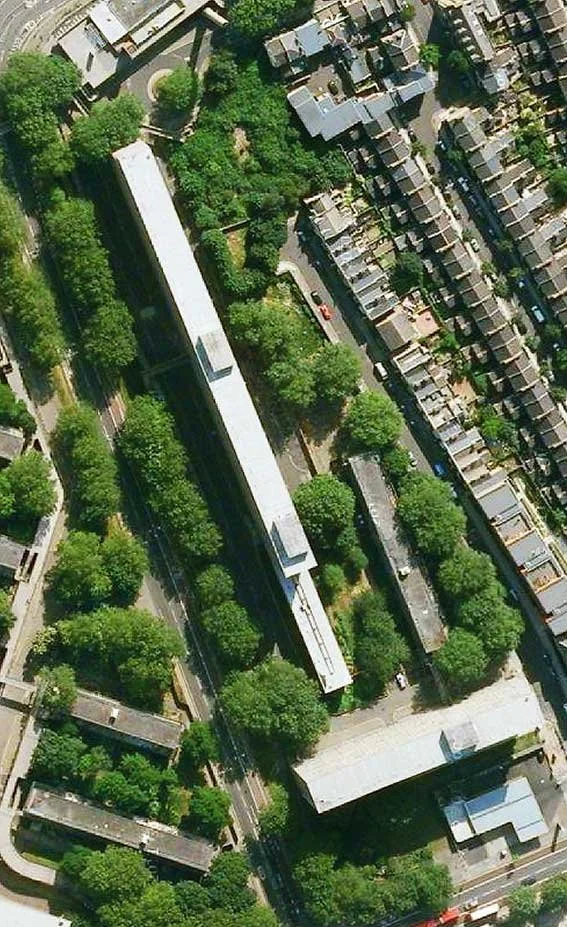
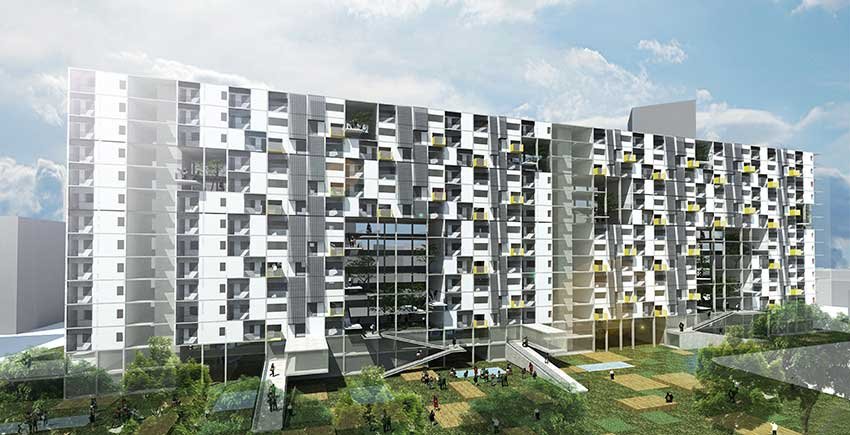
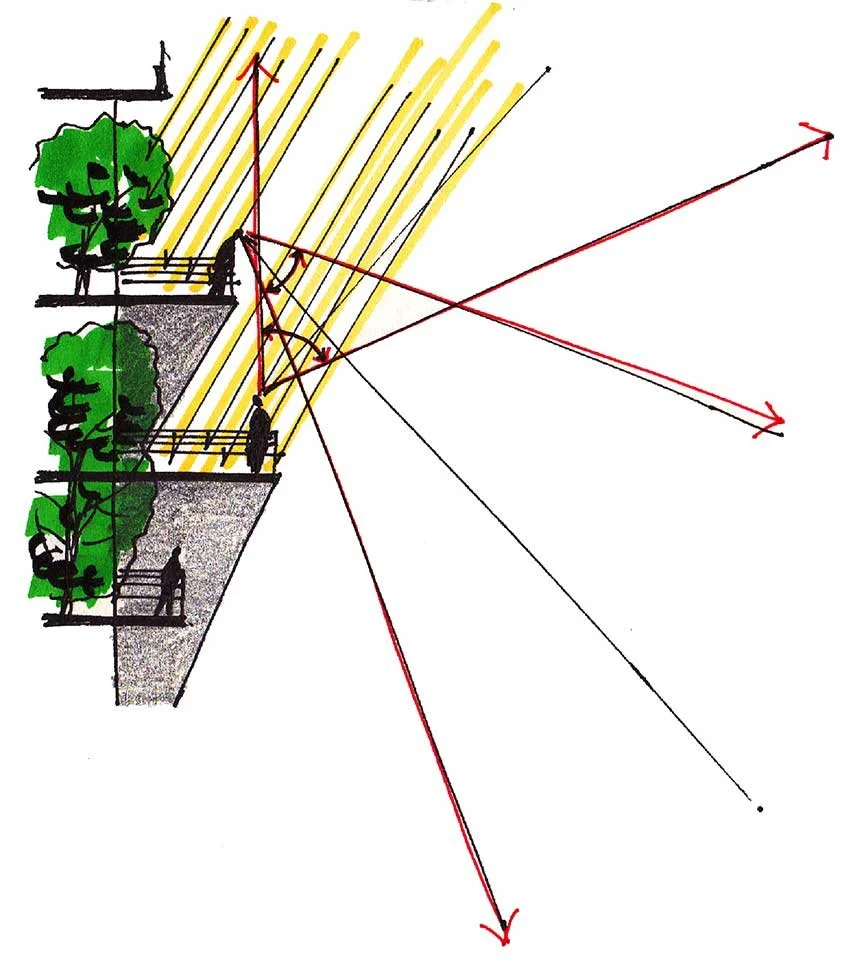
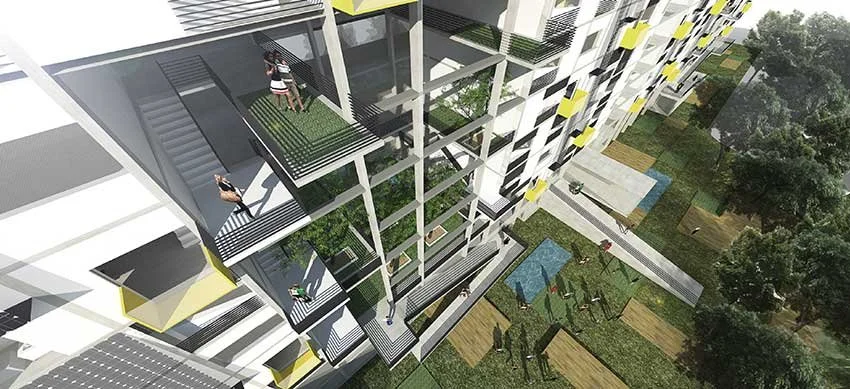
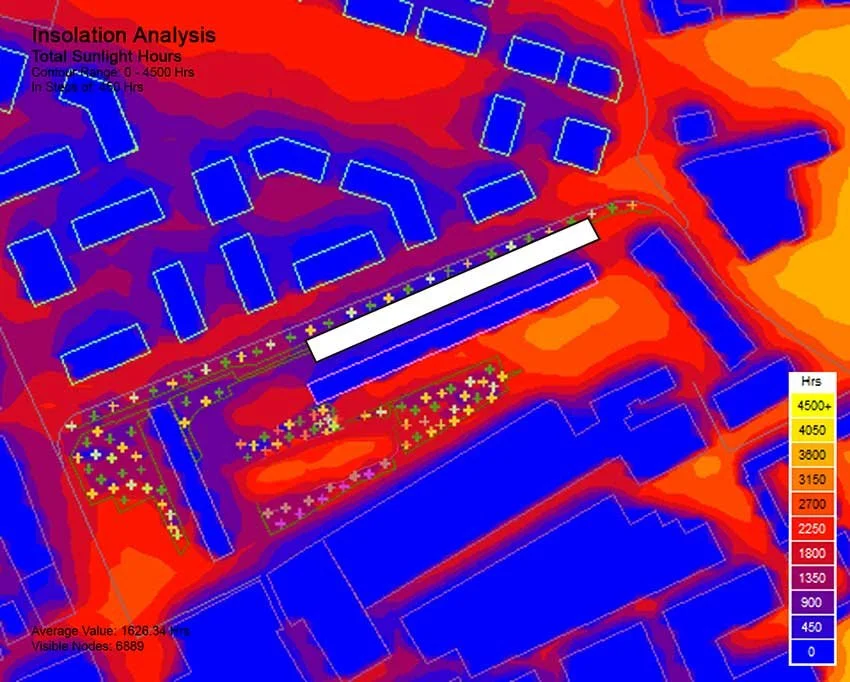
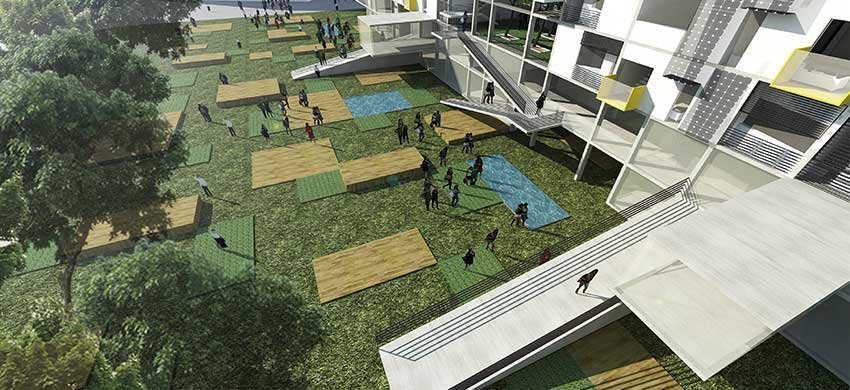
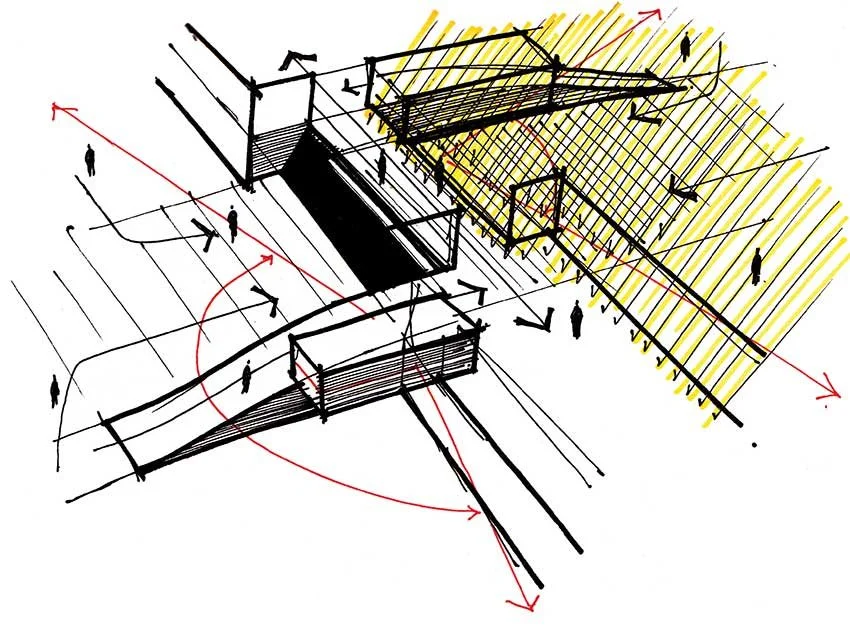
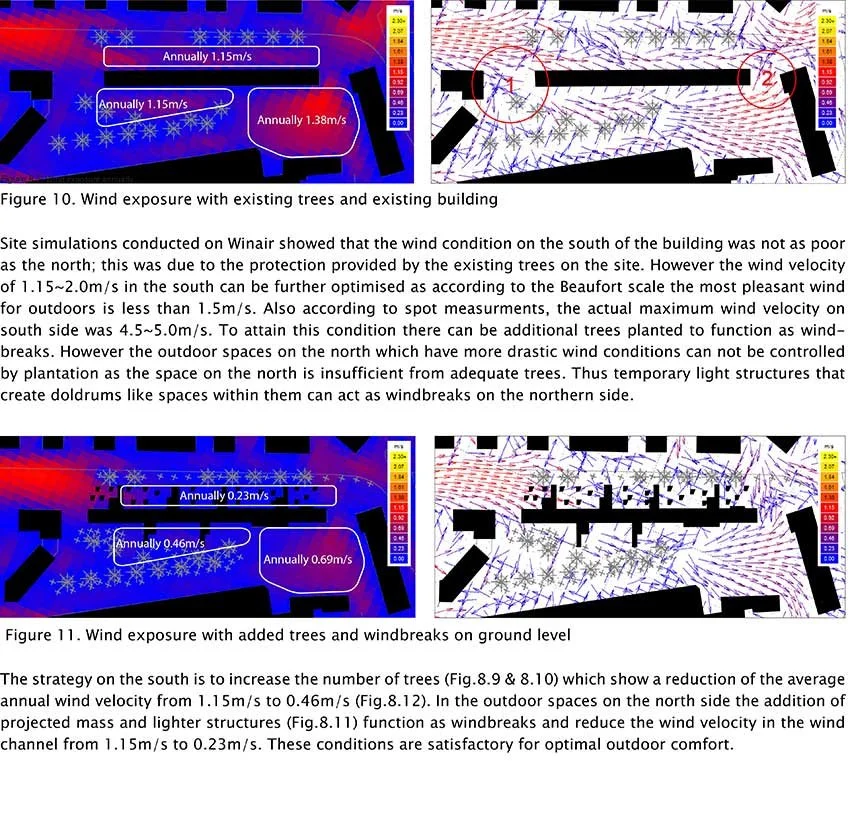
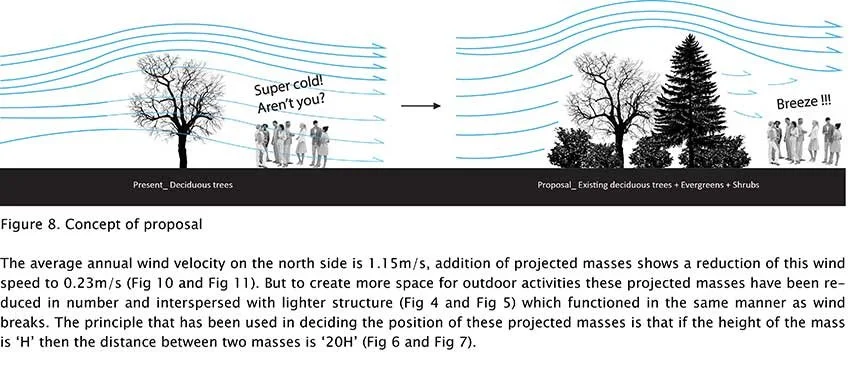
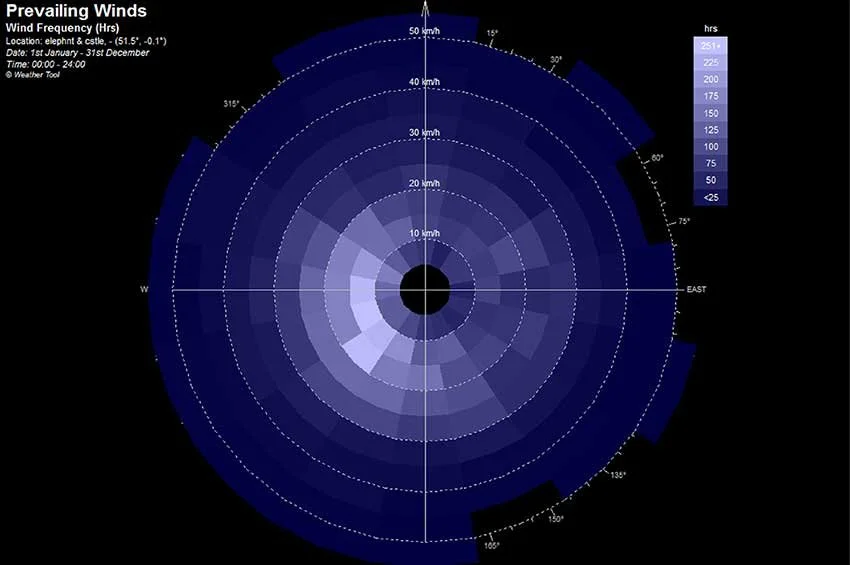
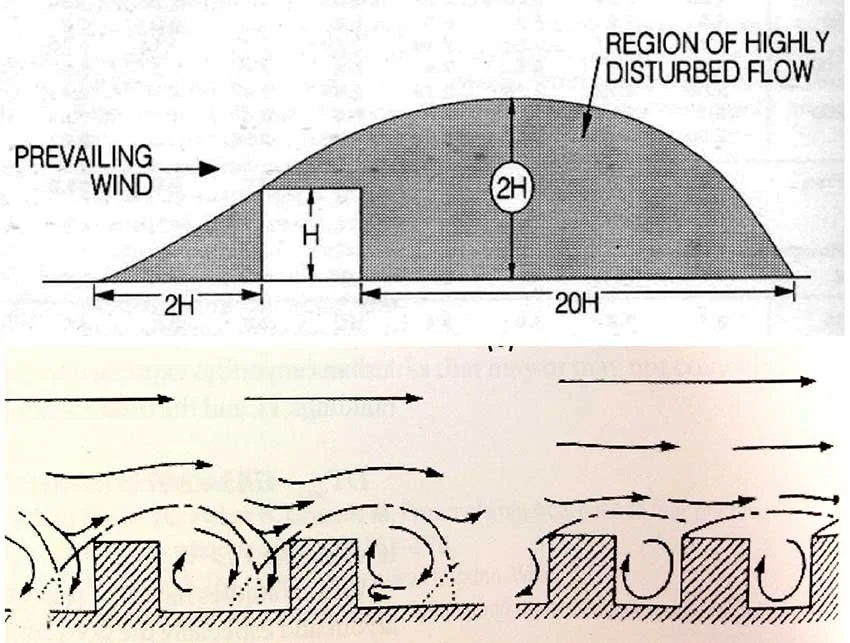
The Heygate estate was designed as a low-income social housing located in the South London borough of Southwark. It housed over 1200 families for more than three decades. Prior to the 1930s the area consisted of a suburb of Victorian tenements which were considerably damaged during the German bombings in World War II. The council decided to demolish and rebuild the area rather than repair the extensive damages, leading to a major post-war regeneration project designed by architect Tim Tinkers which started in the 1960s and was completed in 1974. Due to the economic crisis during its construction, it had been constructed quickly with limited funds. In the context of the city in the 1970's the estate had been designed in a manner that separated it from the dirty and polluted surroundings and created a safe and green haven inside. But the rise in unemployment in the 1980's there was an increase in crimes and other anti-social activities and there were social and other issues that arose in the estate from this. The southern facade required extensive environmental research for developing design strategies. This is due to the duration of direct solar incidence upon this facade which varies from 8-12 hours. The orientation makes it necessary to design a facade that utilizes the large solar gains successfully during the cool period and negates scenarios of overheating during the warm period. The design strategy at every step has been tested on the Ecotect and TAS for the best combination of daylight. Stage 1 - The window sizes for units have been derived from the glazing-to-floor ratios deemed suitable from the Energy index calculation and these are positioned in the facade keeping views and interior spatial quality in context. Stage 2 - There were shading diagrams calculated from Ecotect and strategies have been developed such that each aperture was shaded from direct solar incidence during the warm period when the sun was at the pear azimuth position. This could be achieved by tilting the facade by an angle of 15 degrees toward the South along with having a horizontal shading device. The application also served the purpose of creating a private terrace space which added to the living quality of the flat. The tilt was integrated inward into the structure instead of an extension keeping in context the complication of adding cantilevered extensions to the existing structure as well the thermal problems of a cold bridge this would lead to. Stage 3 - The facade was finally modified by redistributing window sizes and placing windows vertically to further improve daylight performance in the living space. The average annual wind velocity on the north side is 1.15m/s, addition of projected masses shows a reduction of this wind speed to 0.23m/s. But to create more space for outdoor activities these projected masses have been reduced in number and interspersed with a lighter structure that functioned in the same manner as windbreaks. The principle that has been used in deciding the position of these projected masses is that if the height of the mass is ‘H’ then the distance between two masses is ‘20H’. Site simulations conducted on Winair showed that the wind condition on the south of the building was not as poor as the north; this was due to the protection provided by the existing trees on the site. However, the wind velocity of 1.15~2.0m/s in the south can be further optimised as according to the Beaufort scale the most pleasant wind for outdoors is less than 1.5m/s. Also according to spot measurements, the actual maximum wind velocity on the south side was 4.5~5.0m/s. To attain this condition there can be additional trees planted to function as windbreaks. However, the outdoor spaces in the north which have more drastic wind conditions can not be controlled by plantation as the space in the north is insufficient from adequate trees. Thus temporary light structures that create doldrums-like spaces within them can act as windbreaks on the northern side. The strategy in the south is to increase the number of trees which shows a reduction of the average annual wind velocity from 1.15m/s to 0.46m/s. In the outdoor spaces on the north side, the addition of projected mass and lighter structures function as windbreaks and reduce the wind velocity in the wind channel from 1.15m/s to 0.23m/s. These conditions are satisfactory for optimal outdoor comfort. The landscape of the site has been planned integrating the surroundings of the site. The outdoors has been planned around three focal nodes, two to the northern side (Node 1 & 2) and one to the southern side. Node 1 is a conjunction of all pedestrian paths connecting the site to the Elephant & Castle and Node 2 is where all traffic flowing in from the rest of the master plan reaches the site, both of these nodes are aimed towards use by the public. Node 3 is planned as a more private buffer zone, which can be used by residents, and people from the residential neighborhood to the south. The outdoor has been zoned (Fig 16) guided by the strategic placements of the public and private nodes. The spaces to the north of the building have been designed as commercial spaces for use by the public who visits the site, whereas the region on the south is a quitter and more private space for the residents of the building as well as for access to the residential floors.The trees existing on the site comprise only deciduous trees, 15 trees to the northern side and 13 trees to the south. These deciduous trees act as good windbreaks in the warm period but in the cool period, they have no foliage, and hence their impact as windbreaks reduces. The addition of evergreen trees and low shrubs can make these windbreaks effective even in the cool period and create comfortable outdoor spaces. Outdoor design and Facade have been treated at the same time. The facade design was intended to attract the flow from the outdoors into the inside. To do this motive of design, at first solar ray has been tested regarding the incidence angle to secure the view to the outside. All the circulation from ground level can be reached to the void space through the sloping passage securing accessibility for disabled people. Environmentally, the balcony was projected depending on how much it could provide shading areas.

도심재생 프로젝트의 일례로 런던 엘리펀트캐슬(Elephant Castle) 지역의 Heygate Estate 재생(Regeneration) 프로젝트를 소개한다. 그전에 개괄적 인트로임을 밝힌다. 영국 런던 남부의 엘리펀트캐슬 카운실(Council)과 에스테이트(Estate)간 줄 다리기로 수년간 방치되어 슬럼화된 아파트먼트 지역이다. 2차 대전 종전후 도시 정비가 미숙한 시점에서 들어선 길이 180m의 거대한 볼륨. 당시 신공법이었던 프리캐스트 커튼월의 기본 골격이 견고했다. 에스테이트 내에서 슬럼화가 가장 농후한 지역을 선정해 지속가능성을 타진했었다. 기존 배치와 골조를 재사용하는 리퍼비쉬먼트(Refurbishment)의 일환으로 주된 전략은 다음과 같다. 1. 체감 온도가 중요한 지면(Ground level)에서 빌딩 사이에 형성된 도심지 계곡(Urban Canyon)에서의 바람 유입 조절 -> 건물 표피 온도의 최적화 -> 냉난방 부하 개선 / 2. 건물 중층에 보이드 형성 -> 열악한 북측 일조 해결 (현대 건축에서 대부분의 키친 및 다용도실은 북측에 면한다) -> 실내 열적(Thermal) 환경 개선 / 3. 각 세대를 상호 중복형으로 겹배치 -> 실내 열적 덩어리(Thermal mass)의 구속(Trapping) -> 최적의 열적 효율 증명 -> 유지비 개선 / 이 모두가 낙후된 건물의 재생을 위한 설계적 조치들로 건강한 환경 조건을 만들고, 유지비를 줄여 현실적으로 지속가능성을 담보하는 검증된 해법들이다. 혹자는 도시가 살아야 건물이 산다고 하나 실상은 반대다. 사람이 건강해야 집이 건강해지듯, 건물이 건강해야 도시가 건강해진다. 얼마전 Y대에서 연구용역중인 친환경 건축 규제에 관한 정보를 접했다. 요점은 퍼실러티(Facility)에 의지해 이상적인 공조 환경을 구축하겠다는 것인데, 이에 따른 건축 설비 및 환경 수치 기준 제정에 년간 수백억이 들어야 할것으로 보인다. 하지만 국제 지속가능 건축 포럼 PLEA(www.plea2016.org)에서 쏟아지는 수백편의 논문들에서 퍼실러티로 지속가능한 건축을 실현했다는 사례는 찾을 수 없다. 런던 시청과 서울 시청을 비교해보자. 지속가능 건축은 디자인 프로세스 초기에 반영되어야 한다. 형상 작업(Forming), 재배치(Re-arrangement) 등 초기 과정에서 최적의 터치를 통해 공간을 자생시키는 것이 목적이다. 개축도 물론 포함된다. 옷으로 치면 개인의 체질과 체형에 맞게 옷의 재질을 선정하고 디자인하는 것. 덥다고 옷에 선풍기를 다는 것이 아니다. 지속가능성이란 기존의 것들을 재취합, 재배치하여 새로운 가능성을 얻는 시도다. 채를 통해 불순물을 걸러내는 것. 일종의 오버홀(overhaul) 개념이다. 단순히 퍼실러티로 쉽게 얻을 수 있는 가치가 아니다. 예를 들어, 평균 기온 33도. 평균 습도 80%에 육박하는 여름의 서울 도심지 환경에서 퍼실러티 증설로 증가한 냉방부하는 열원으로 남아 결국 빌딩 숲에 갖히게 된다. 그 열이 다시 실내로 유입된다. 당연히 냉방비는 상승한다. 이런 상황에서 퍼실러티 증설을 독려하는 건축 환경 규제가 해법이 될 수 있을까? 차선책으로서 결국 한국과 같이 연교차가 큰 난해한 기후대의 도심지에서 가장 효과적인 어반 쿨링(Urban Cooling) 방법은 건물 중층의 보이드 형성, 저층부의 비워냄 및 녹지 증설 뿐이다. 보이드로 인한 연면적 축소는 설계적으로 해결할 수 있다. 실제 한국의 필로티 구조는 건강한 미시기후(Microclimate) 형성에 도움이 되는 사례로 종종 소개된다. 서울의 도심환경에서 건축적 지속가능성을 실현한다면, 어디에서든 통용될 수 있을 것이다. 지속가능건축의 상품화도 가능할 것이다. 기존의 법규에 건축 형태의 포밍과 배치에 관한 가이드라인만 추가해도 유럽이 꿈꾸는 이론상 존재하는 지속가능한 어반(Sustainable Urban)도 실현될 수 있을 것이다. 물론 전자가 더 비현실적이지만.